Simon Reeve’s new Wilderness series is a reminder of just how remote some of the planet’s wild places remain (which is why they’re still wild). But you don’t need to take a long-haul flight or trudge for days through a rainforest to find landscapes where nature still sets the terms.
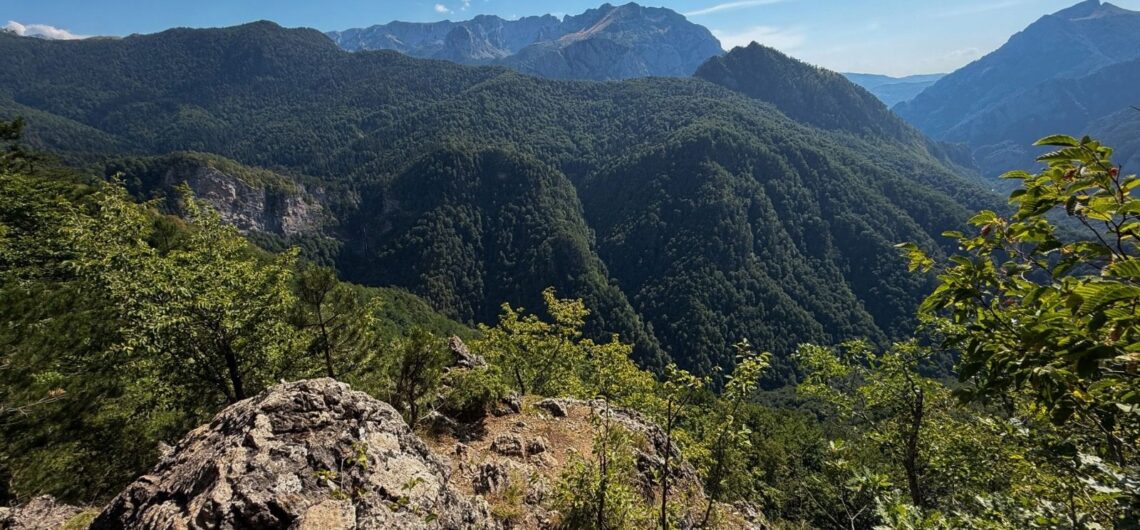
The Balkans are home to some of Europe’s wildest places: primeval forests, free-flowing rivers, high mountain pastures frequented by bears and wild horses, and wetlands alive with birds. Increasingly, their importance is being recognised internationally, including through UNESCO designations.
But what do we mean when we talk about wilderness?
Strictly speaking, true wilderness means large, little-disturbed areas without permanent human settlement. There is very little of that left in Europe. Most of the places on this list are better described as wild: landscapes where nature remains dominant, but where people have lived, farmed, fished, grazed animals and travelled for centuries.
These aren’t places to rush to before they’re “gone”. They’re living landscapes and the best way to experience them is responsibly.
Here are seven of the Balkans’ wildest places — many of which you can visit with us on our adventure holidays.
1. Perućica Forest, Bosnia and Herzegovina
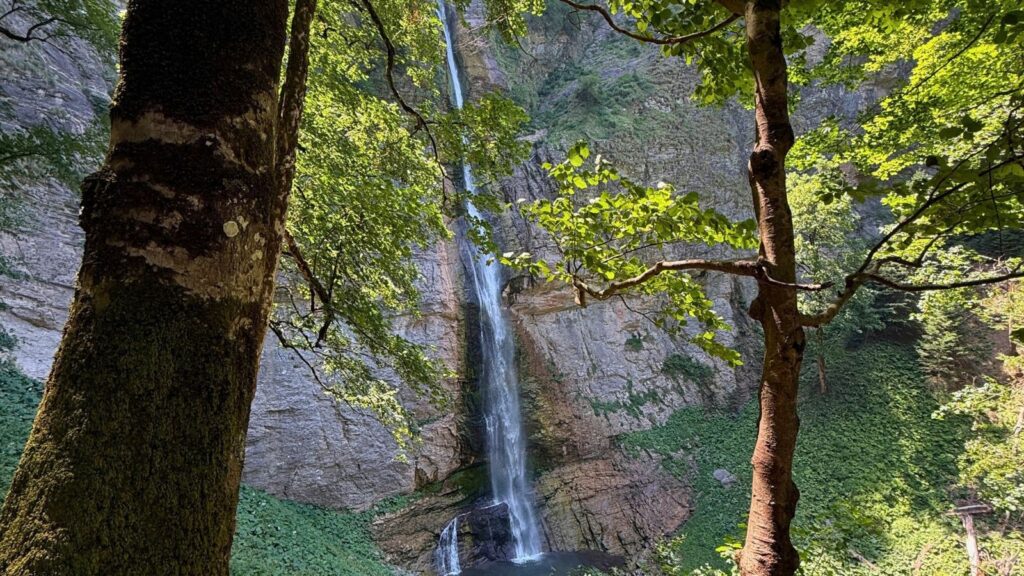
Located in Sutjeska National Park, Perućica is one of Europe’s most remarkable surviving primeval forests. Mighty beech and fir trees, some centuries old, rise from untamed limestone slopes and tumbling streams. The forest has never been commercially logged and is protected as a strict nature reserve. It is also on Bosnia and Herzegovina’s tentative list for UNESCO World Heritage status – recognition that would underline its extraordinary ecological importance.
Getting into Perućica isn’t a case of simply turning up and following a trail. Access is restricted and visitors must be accompanied by a specialist guide to manage impact and protect this precious biosphere.
Parts of the trail require some tricky footwork along steep inclines, but all is forgotten when you lay eyes on the glorious Skakavac waterfall.
As for wildlife, the forest is home to brown bears, wolves, chamois and a wealth of woodland species.
Worthy of a teen’s phone wallpaper
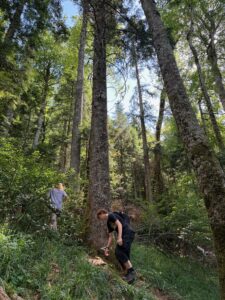
“We were there with the kids this August, hiking to the Skakavac waterfall to research our new Bosnia family adventure,” says UB co-founder Emma. “It was a delightful walk through towering trees which then turned into a slippery scramble down, and then up, tumble-down rocks and fallen dead wood trees.
“Then the foliage gives way to cascades of water tumbling down the rockface – an unforgettable scene that engaged even my typically bored teen, who has now saved it as his phone wallpaper (smug parent here).”
Visit Perućica on our Bosnia and Herzegovina Hiking Holiday.
Related:
2. Vjosa River, Albania

The Vjosa is one of Europe’s last major free-flowing wild rivers — and an interesting paradox between people and nature. For millenia, empires have settled, traded and fought wars in the Vjosa basin, each leaving their mark. But the river itself remains remarkably free-flowing. The result? A place both steeped in history and rich in nature. The Vjosa is a living landscape, not a museum piece.
In 2023, Albania established the Vjosa Wild River National Park, helping safeguard the river’s main course and making it the first wild river national park in Europe. It’s an extraordinary achievement and one worth celebrating. Sadly though, the wider Vjosa basin is under pressure, with tributaries affected by development and water abstraction, while the Vjosa-Narta lagoon and delta face their own challenges and local activists are pushing back against damning and other developments.
Experience riding the rapids of the Vjosa on our South Albania Activity Holiday.
3. Rugova Gorge, Kosovo
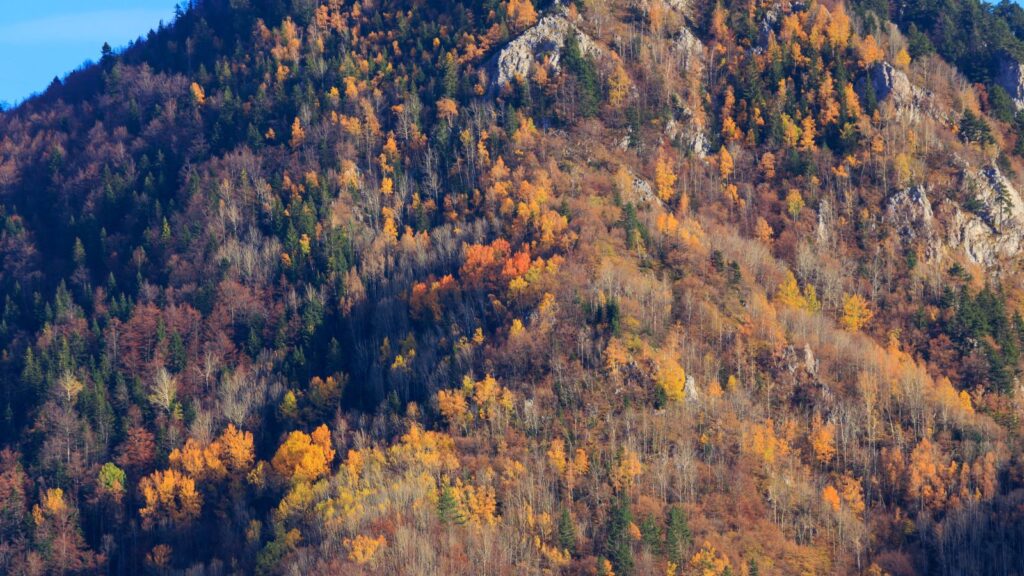
Rugova Gorge cuts dramatically through the mountains west of Peja, with sheer limestone cliffs rising above the Rugova River. It’s an exhilarating landscape to explore on foot, with forested trails and alpine lakes hidden away above the gorge.
And sometimes it’s the smallest creatures that make the biggest impression.
“I’ll never forget our younger son falling in love with the adorable Alpine newts that live in the lake we hike to on our Kosovo Activity Holiday,” says Emma.
It’s a useful reminder that wild landscapes aren’t just about dramatic views and large predators. Amphibians, insects, plants and fungi are all part of the ecosystem and the charm of these spaces.
Visit Rugova on our Kosovo Activity Holiday.
4. Mavrovo National Park, Macedonia
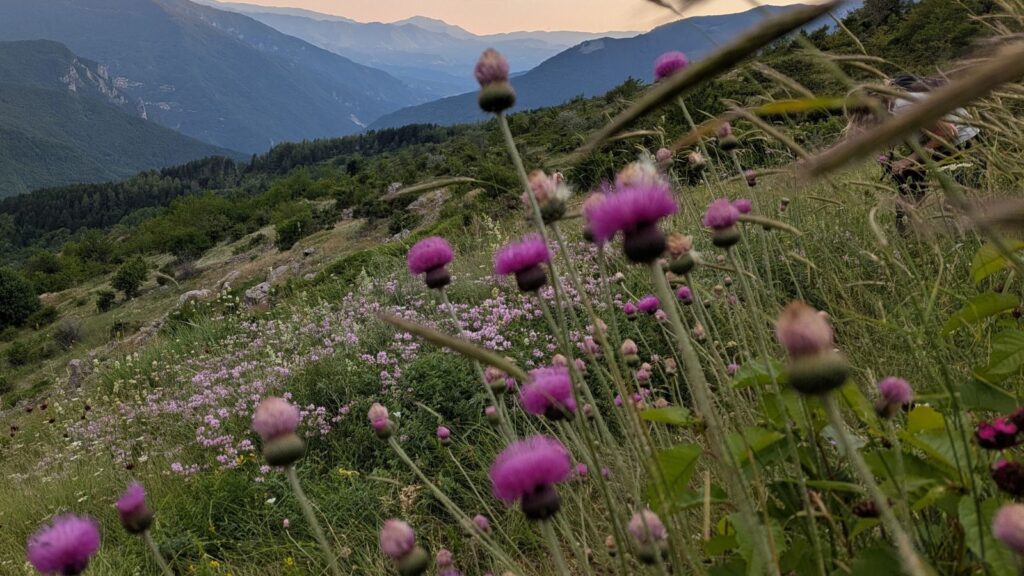
Sitting just shy of the Albanian border, Mavrovo is Macedonia’s largest national park, characterised by dense forests, mountain lakes and time-honoured villages.
One of those villages is Galičnik, famous for its centuries-old herding traditions and distinctive local cheese. Here, the communities have shaped and worked the mountainscape for generations without completely overwhelming the natural environment, making it a perfect example of where people and nature coexist.
“When we hiked to Medenica peak in July, we saw chamois, found unmistakable signs of bears along the trail, and picked wild strawberries as we walked,” says Emma. “You might not see the bear itself – these are wild animals and encounters are never guaranteed – but knowing that it is somewhere in the forest adds an extra frisson to a day’s walking.”
Visit Mavrovo on our North Macedonia Activity Holiday.
5. Galičica and Lake Prespa, Macedonia
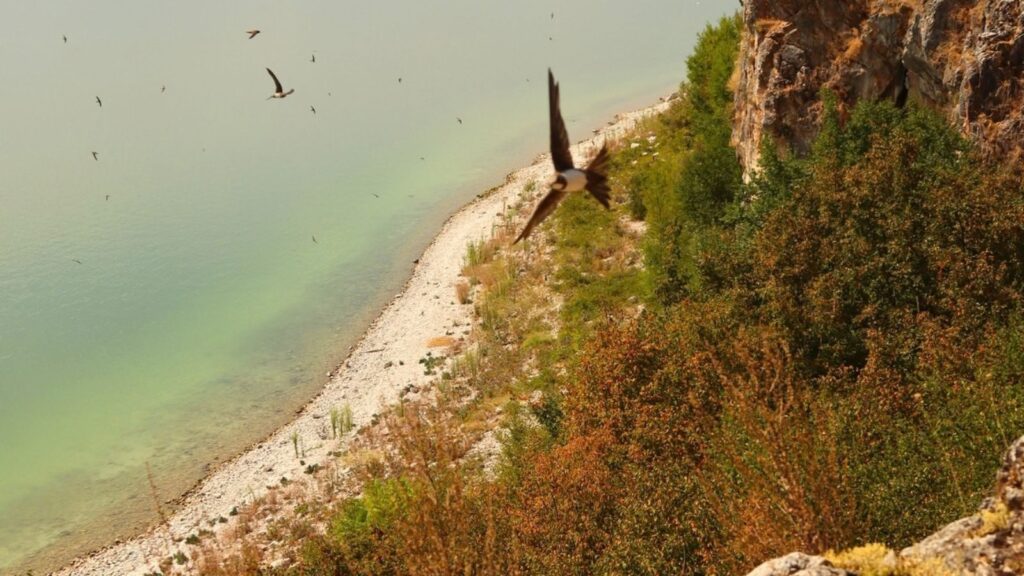
The Galičica peak and national park stands between two of the Balkans’ great lakes: Ohrid and Prespa.
There, carped slopes are shrouded in wooded meadows and coniferous forests and surrounded by a vast transboundary wetland shared by Macedonia, Albania and Greece. Brown bears and wolves inhabit the wider landscape, while Lake Prespa is particularly important for birds, including the precious Dalmatian pelican.
It is one of those places where the sheer abundance of wildlife makes you stop and look twice. A boat ride across to Golem Grad (aka Snake Island) conjures up scenes from a David Attenborough documentary: gulls wheeling overhead, trees crowded with nesting cormorants and majestic Dalmatian pelicans perched on the rocks.
Then there’s the elusive Balkan lynx. Chances of spotting one of these wild cats is vanishingly small as they are masters of staying out of sight. But there’s something exciting in just knowing such magnificent wildlife frequents the surrounding forests. Galičica is part of the species’ remaining range and is an important area for its conservation.
Visit Galičica and Prespa on our North Macedonia Activity Holiday.
6. Lake Skadar/Shkodra, Montenegro and Albania
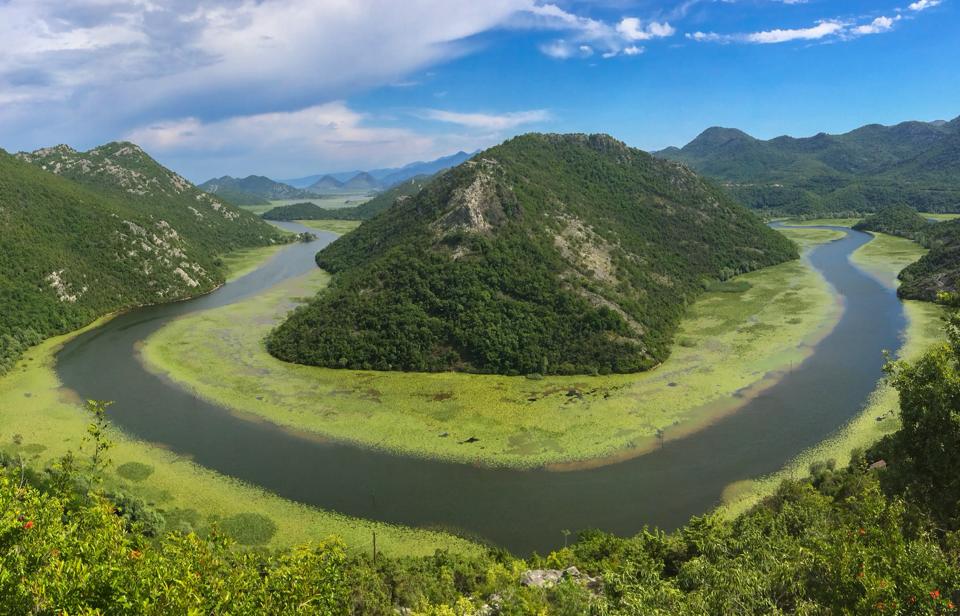
Straddling Montenegro and Albania, Lake Skadar is the largest lake in the Balkans – and one of the best examples of how people and nature coexist.
Fishing villages, farmland and historic fortresses occupy its shores, while traditional boats glide through vast expanses of reeds, water lilies and water chestnuts. Behind them, mountains appear to rise directly from the lake.
For birdwatchers, it is extraordinary. The lake and its wetlands support huge numbers of birds, including pelicans, herons, cormorants and many migratory species.
In June 2026, UNESCO added the Skadar Lake Watershed to its World Network of Biosphere Reserves, shared between Montenegro and Albania, becoming Montenegro’s first biosphere reserve.
Importantly, the designation isn’t about drawing new borders or creating a nature reserve that excludes people. Biosphere reserves are intended to balance conservation with the needs of the communities that live and work in these landscapes.
That makes Skadar a particularly good example of what we mean by wild: not an untouched wilderness, but a place where nature still has room to flourish alongside human life.
Visit Lake Skadar on our Lake Skadar Activity Holiday or Montenegro Bird Watching Holiday.
7. Uvac Canyon, Serbia
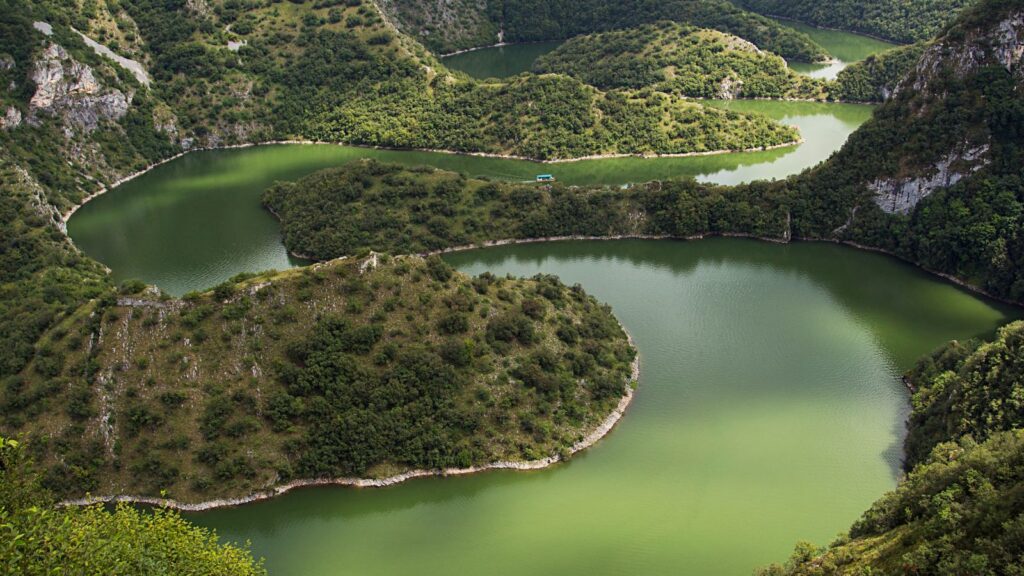
The Uvac River winds through a spectacular series of tight limestone meanders, creating one of Serbia’s most recognisable landscapes. The once threatened Griffon vulture circles on the thermals above — and we have our secret perch for watching them fly between the nests at another location in Western Serbia.
Uvac is more managed and more visited than some of the other places on this list, but get out on the water or onto the surrounding trails and it can still feel remarkably remote — a useful reminder that ‘wild’ doesn’t have to mean inaccessible.
See Serbia’s griffon vultures on our Serbia Activity Holiday. (Please note: this trip does not visit Uvac itself, but you could tag some time on either side of your tour for a visit).
Why wild places matter
Wild places don’t protect themselves.
Their future depends on governments making good decisions, conservation organisations doing the hard work of protecting habitats, and local communities having a reason to value the landscapes around them.
That’s why campaigns such as our Save Skadar Lake campaign and the #HandsOffVjosaNarta campaign matter. Public pressure can help drive action at government level – including the environmental impact assessment now taking place at Vërnec in Albania.
It also depends on visitors: staying on established trails, taking litter home, not disturbing wildlife, and choosing local guides, accommodation and businesses where possible. Walking, paddling and rafting can be wonderful low-impact ways to experience these special places, while spending money locally provides economic as well as environmental value.
Want to experience the wild side of the Balkans? Check out all of our adventure holidays and sign up to our free monthly newsletter for more inspiration.
Comments