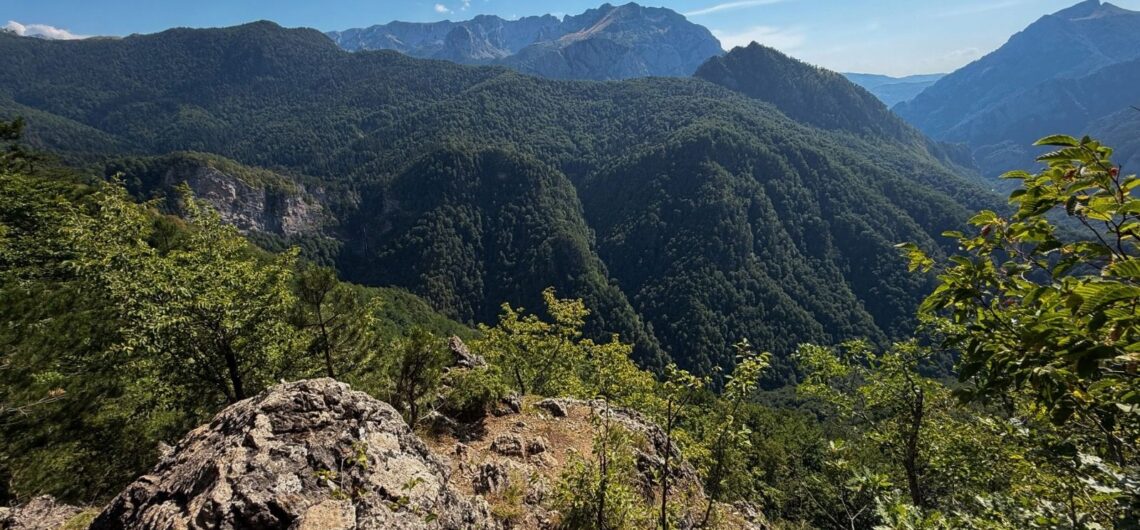
Simon Reeve’s new Wilderness series is a reminder of just how remote some of the planet’s wild places remain (which is why they’re still wild). But you don’t need to take a long-haul flight or trudge for days through a rainforest to find landscapes where nature still sets the terms. The Balkans are home to some of Europe’s wildest places: primeval forests, free-flowing rivers, high mountain pastures frequented by bears and wild horses, and wetlands alive with birds. Increasingly, their importance is being recognised internationally, including through UNESCO designations. But what do we mean when we talk about wilderness? Strictly speaking, true wilderness means large, little-disturbed areas without permanent human settlement. There is very little of that left in Europe. Most of the places on this list are better described as wild: landscapes where nature remains dominant, but where people have lived, farmed, fished, grazed animals and travelled for centuries. These aren't places to rush to before they're “gone”. They're living landscapes and the best way to experience them is responsibly. Here are seven of the Balkans' wildest places — many of which you can visit with us on our adventure holidays. 1. Perućica Forest, Bosnia and Herzegovina Located in Sutjeska National Park, Perućica is one of Europe's most remarkable surviving primeval forests. Mighty beech and fir trees, some centuries old, rise from untamed limestone slopes and tumbling streams. The forest has never been commercially logged and is protected as a strict nature reserve. It is also on Bosnia and Herzegovina's tentative list for UNESCO World Heritage status – recognition that would underline its extraordinary ecological importance. Getting into Perućica isn't a case of simply turning up and following a trail. Access is restricted and visitors must be accompanied by a specialist guide to manage impact and protect this precious
Simon Reeve’s new Wilderness series is a reminder of just how remote some of the planet’s wild places remain (which is why they’re still wild). But you don’t need to take a long-haul flight or trudge for days through a rainforest to find landscapes where nature still sets the terms. The Balkans are home to
The Balkans can be a bit behind when it comes to sustainability. For instance, you’ll see single-use plastic bags being handed out willy-nilly in Serbia or Montenegro, and a lack of understanding around how human activities can impact wildlife (ATV tours in protected areas are still not illegal here). Without coming across all preachy, it’s important we as visitors don’t contribute to the problem. By choosing to holiday with us, you’ve already made a positive impact by employing local people, creating meaningful cultural exchanges, and funding important environmental projects through our Book to Give Back scheme - amazing! But there are a few things you can do during your trip to help even more. Here are 10 ways to be a responsible traveller in the Balkans. 1. Go flight-free Planes chomp through the fuel - a return flight from London to Tirana releases nearly as much CO2 per passenger as travelling from London to Singapore by train. Why not make the journey part of the holiday and hit the rails instead? There are some stunning train routes across Europe and you can reach Montenegro within two days from London. In fact, the train from Belgrade to Bar is one of National Geographic’s top 10 European rail trips. Rome2Rio and The Man in Seat 61 are both great websites for help planning your route. Alternatively, you could take a coach. FlixBus is one of the largest bus operators in Europe and it offers routes from the UK. This is the best option if you’re travelling to Bosnia and Herzegovina as there have been no cross-border trains there since the 1990s war. 2. Pack light, lower emissions The lighter the load, the less energy is consumed to carry it, says co-founder Emma. '[Packing light] lowers emissions for air travel and also means the
The Balkans can be a bit behind when it comes to sustainability. For instance, you’ll see single-use plastic bags being handed out willy-nilly in Serbia or Montenegro, and a lack of understanding around how human activities can impact wildlife (ATV tours in protected areas are still not illegal here). Without coming across all preachy, it’s
This website uses cookies to improve your experience. You may opt-out if you wish. Cookie settingsACCEPT
Privacy & Cookies Policy
Privacy Overview
We use cookies to improve your experience while navigating our website. Of these cookies, those that are categorized as necessary are stored in your browser as they are essential for the basic functionality of the website. We also use third-party cookies that help us analyze and understand how you use this website. These cookies will be stored in your browser only with your consent. You also have the option to opt-out of these cookies. However, opting out of some of these cookies may have an effect on your browsing experience.
Necessary cookies are absolutely essential for this website to function properly. This category only includes cookies that ensure basic functionality and security features of the website. These cookies do not store any personal information.
Any cookies that may not be particularly necessary for this website to function and are used specifically to collect user personal data via analytics, ads, other embedded contents are termed as non-necessary cookies. It is mandatory to procure user consent prior to using these cookies on this website.