
Looking for things to do in Sofia? In honour of Bulgaria hosting Eurovision in 2027, our latest instalment in the Undiscovered Guides series is no other than Bulgaria’s historic capital.
It’s not where Eurovision is being held but it’s likely where you will land if you’re flying from the UK. And more to the point, it’s where you will meet your guide when you join us on our Bulgaria adventure holidays. So why not tag on some extra time to explore the city—and see that Bulgaria has a lot more to it than bargain sun trap Sunny Beach (mountains more, in fact).
Read our other Undiscovered Guides to the Balkans:
- The Undiscovered guide to Tirana
- The Undiscovered guide to Ston, the quieter alternative to Dubrovnik
- The Undiscovered guide to Belgrade
St Alexander Nevsky Cathedral

Sofia isn’t short of beautiful cathedrals and basilicas. Its most famous is St Alexander Nevsky Cathedral, which draws in admirers for its gold domes. It’s free to enter—and we recommend that you do because it’s just as beautiful inside with its intricate floor to ceiling frescoes and icons.
There’s also Cathedral St Nelia, St Sofia Basilica and Sofia Church of Saint George, all free to enter.
Vitosha Boulevard: Shop, dine and explore

Vitosha Boulevard is Sofia’s main pedestrian shopping street and a great place to soak up the city’s atmosphere. Browse international fashion brands and local boutiques, stop for coffee or a cocktail at one of its many pavement cafés, or simply enjoy the views of Vitosha Mountain at the southern end. You’ll also find plenty of restaurants serving Bulgarian and international cuisine, while the surrounding streets are home to historic landmarks and cultural attractions.
At the southern end of the street sits the National Palace of Culture. Despite being named a ‘palace,’ it’s actually a huge conference centre which was opened in 1981 in honour of Bulgaria’s 1,300th anniversary. There aren’t loads of things to do there, but it’s worth stopping by while you’re in the area to admire the architecture and see a different side to the city in contrast to Sofia’s many old churches and traditional buildings.
The Red Flat
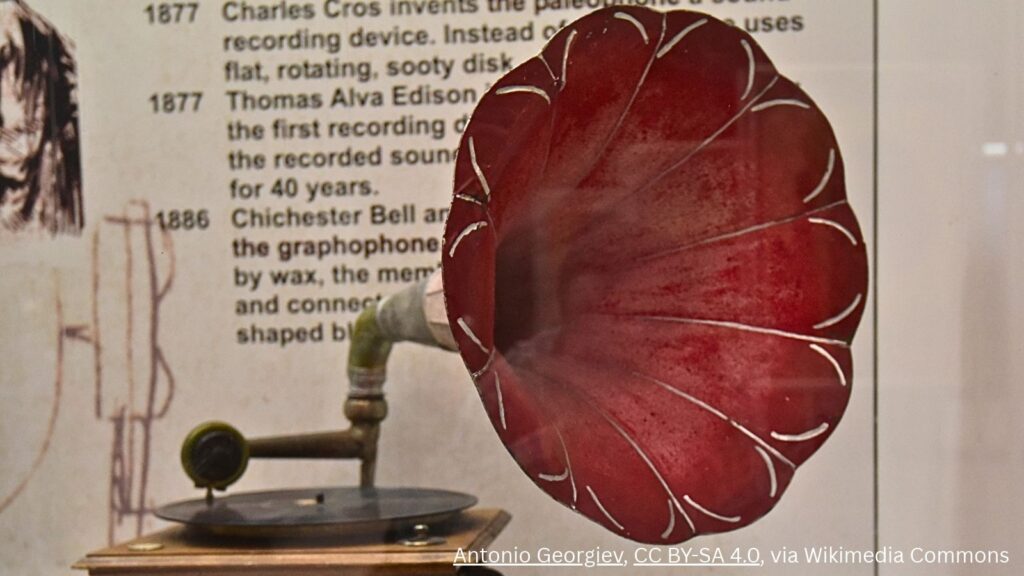
Discover what life was like in communist Bulgaria with a poke around the Red Flat, an authentically recreated 1980s apartment with four rooms to explore and interact with. Savour a typical taste from the era at the dining table, take a turn on the rotary phone, try on some vintage clothes, and hear a blast from the past on the gramophone in the bedroom. Learn more about what you can do there on the official website.
Located in central Sofia on Ivan Denkoglu Street, there are lots of public transport options nearby. Serdika metro station is just a six-minute walk.
A walk in the park

Sofia is home to more than 30 parks and green spaces, so it can be difficult to decide which one to visit as a tourist. Here are our top three:
Borisova Gradina
The largest and top rated is Borisova Gradina, Sofia’s answer to New York’s Central Park. There’s lots to see and do there, whether you’re in it for the history, nature or a leisurely bike ride, including the Levski National Stadium, the Lily Lake, a wild nature forest and various hiking and cycling trails. The park was built in the 1880s and named after Bulgarian Tsar Boris III. It’s located between Eagle Bridge and Vasil Levski Stadium and its entrances are easily accessed by metro or bus.
West Park
Located at the foothills of Vitosha Mountain, West Park is the city’s second-largest park and is a particularly good one if you’re travelling with children as it has a playground, a forest and a lake. The canopies are a perfect place to escape a hot summer’s day in the city. West Park is accessible by metro via Zapaden Park station (M1 and M4), with additional bus and tram connections nearby. And did you know? You can admire the views by catching a train from Sofia Central to Pernik; the line runs right through West Park and along the edges of Vitosha National Park. The train journey is roughly 45 minutes, so you will need to carve a few hours out for it.
Kambanite Park
Also known as the Bells Park, Kambanite is famous for a brutalist-style tower with, you guessed it, bells hanging on it. This park also sits at the foothills of Vitosha mountain on the city’s southeastern edge. Kambanite Park is accessible by bus, with routes 111 and 314 stopping at Mestnost Kambanite. Alternatively, take metro M1 to Business Park Sofia and continue by bus or on foot (around 20 minutes).
Visit Rila Monastery and lakes
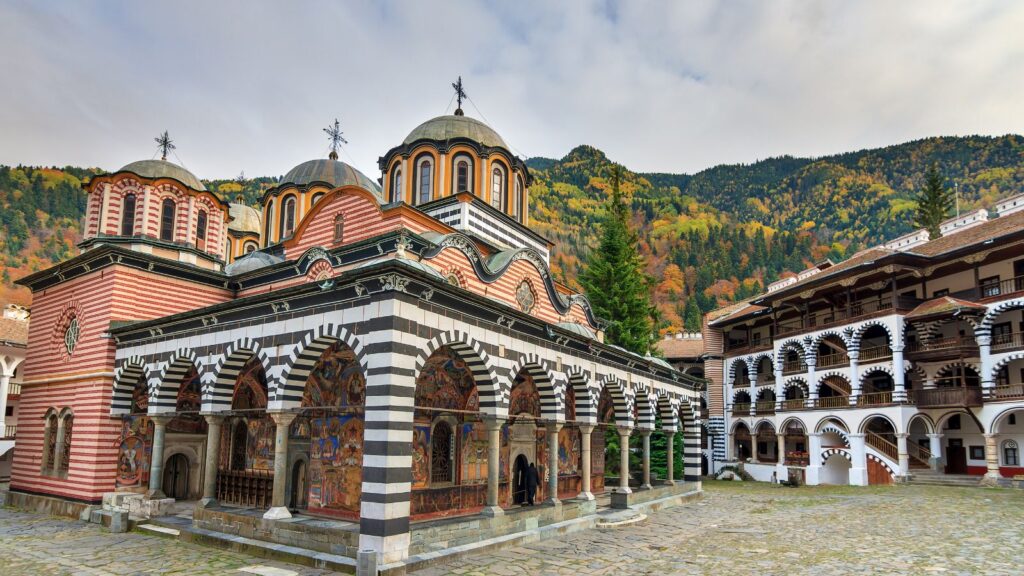
If you have more time to spare, venture into the mountains and marvel at Rila Monastery, the largest and most famous Eastern Orthodox monastery in Bulgaria. Nestled in a historic mountain town of the same name and with Bulgaria’s largest national park on the doorstep, there’s plenty to sink your teeth into. Rila is 120km away from the capital and there aren’t any direct routes. Your best bet is to go on an organised day tour or hire a private shuttle.
Rila is a fantastic area for hiking and other outdoor activities. See for yourself when you join us on either our hiking holiday or super active holiday in Bulgaria.
Sofia Bulgaria FAQs
What’s the weather like in Sofia?
Sofia has a continental climate with cold, often snowy winters, hot summers (23-28℃) and pleasant spring and autumn weather.
Is Sofia safe?
Yes. Sofia is generally considered safe and most tourists visit without a problem. As in any major European city, it’s worth taking sensible precautions against pickpocketing, particularly on public transport and in busy tourist areas. Use licensed taxis to avoid common scams.
What currency is used in Bulgaria?
Bulgaria’s official currency is the euro, which replaced the Bulgarian lev on 1 January 2026. You can order euros before leaving the UK or withdraw cash from ATMs when you arrive. Card payments are widely accepted in Sofia, particularly in hotels, restaurants and shops, so you won’t need to carry large amounts of cash. It’s still worth keeping a little cash handy for smaller businesses and markets.
Feeling inspired? Take a look at our small group adventures in Bulgaria.
Get 15% off your first holiday and stay in the know on our latest offers by signing up to our free monthly newsletter.
Comments