
North Macedonia is one of Europe’s most underrated destinations. Tucked away in the heart of the Balkans, this small country is packed with ancient history, dramatic mountains, UNESCO-listed sites and a fascinating mix of cultures.
From Europe’s oldest lake and medieval monasteries to London buses, secret pearl-making techniques and some of the Balkans’ best wine, here are 12 fun facts about North Macedonia that reveal why this country deserves a place on your travel list.
1. North Macedonia is home to Europe’s oldest lake
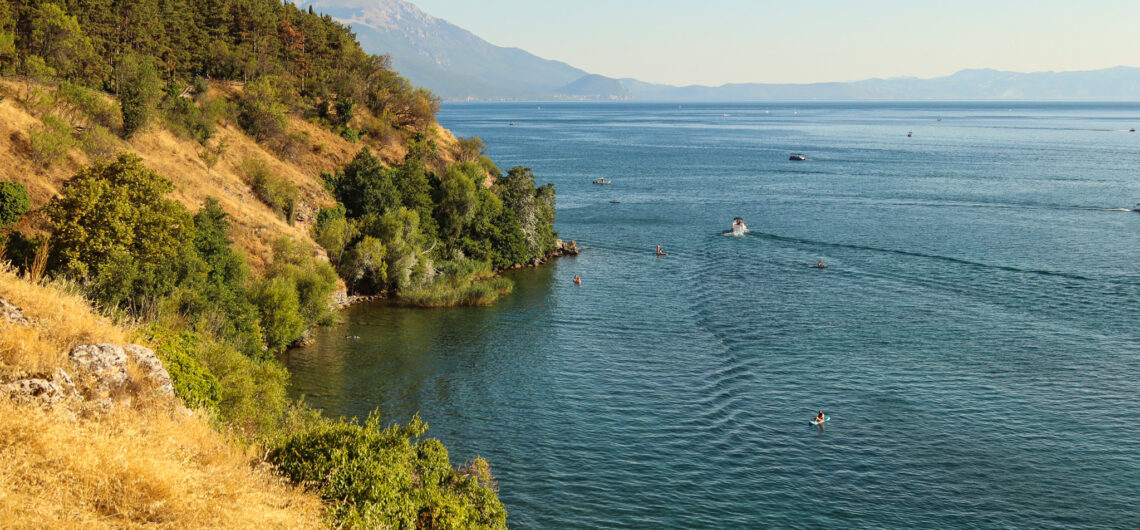
Lake Ohrid is not just one of the most beautiful lakes in Europe – it is one of the oldest lakes on Earth.
Estimated to be between 1.3 and 2 million years old, this ancient lake reaches almost 300 metres deep and is home to more than 200 species found nowhere else on the planet.
Its crystal-clear waters are shared between North Macedonia and Albania and have earned UNESCO World Heritage status thanks to its extraordinary natural and cultural importance.
Even more remarkably, nearby Lake Prespa is just as ancient and connected to Lake Ohrid through underground waterways beneath the Galičica mountains.
2. You can ride a London bus in Skopje
Arriving in Skopje, you might wonder if you have accidentally landed somewhere much closer to home.
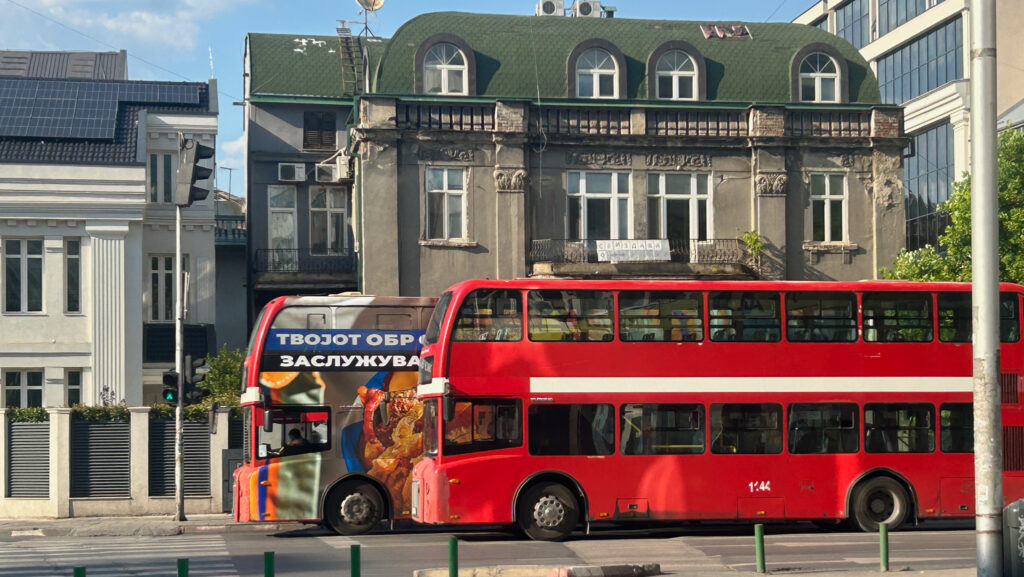
The Macedonian capital is famous for its fleet of bright red double-decker buses inspired by London’s iconic Routemaster. Some are genuine former London buses, while others were made in China to recreate the classic British design.
This is one of the few places outside the UK where you can hop on a red double-decker to do your sightseeing.
3. Ohrid Town was once known as the “Jerusalem of Europe”
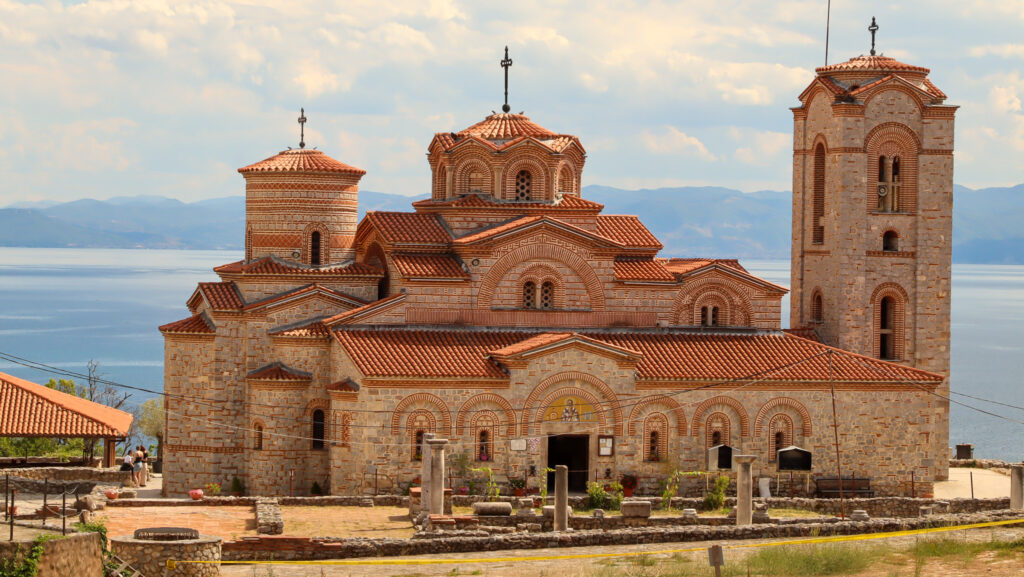
Today, Ohrid is a peaceful lakeside town of cobbled streets, cafés and beautiful churches. But during the Middle Ages, it was one of the most important religious and cultural centres in Europe.
Legend says Ohrid once had 365 churches – one for every day of the year – earning it the nickname “the Jerusalem of Europe”.
The medieval Archbishopric of Ohrid was one of the most influential centres of Orthodox Christianity, while Saints Clement and Naum helped spread literacy and education throughout the Slavic world, developing the Cyrillic alphabet in the late 9th century.
4. Around 85% of North Macedonia is mountains
Welcome to one of Europe’s most mountainous countries!
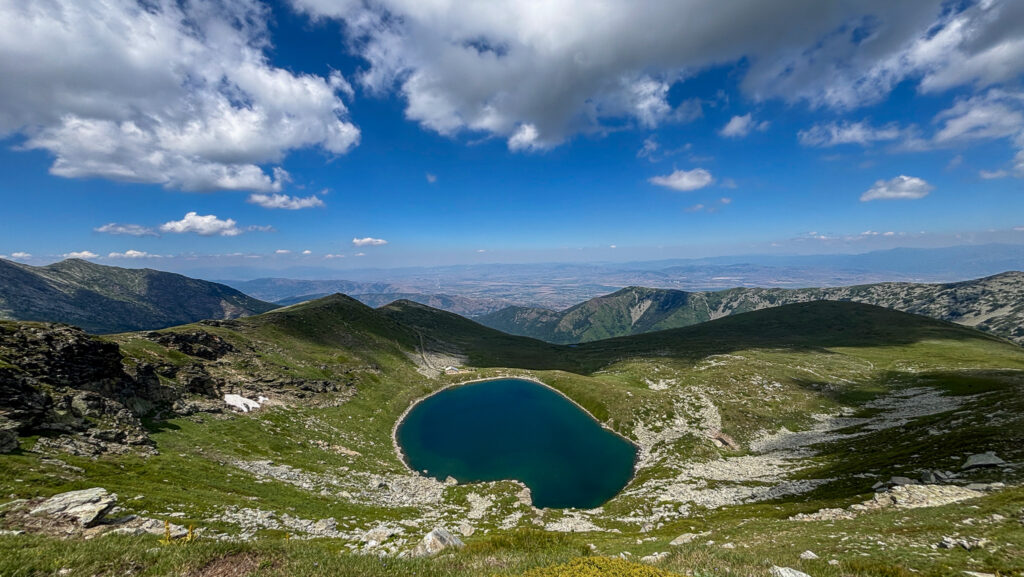
Around 85% of North Macedonia’s landmass is technically mountain, with rugged peaks, national parks, glacial lakes and flower-filled valleys creating some of the most spectacular scenery in the Balkans.
From the ancient pine forests of Pelister National Park to the dramatic Šar Mountains, North Macedonia is a country where wilderness is never far away.
Discover the mountains of North Macedonia on our 7-day Macedonia Activity Holiday with hiking, horse riding, wild swims and more
Related:
- Where is the Balkans anyway?
- The best things to do in North Macedonia
- In conversation with Irina Janakivska, Macedonian-British author of The Balkan Kitchen
5. You can hike to see First World War trenches
North Macedonia’s mountains hold some surprising and poignant reminders of modern European history.
The Macedonian (Salonika) Front of the First World War crossed these landscapes, and hikers in Pelister National Park can still see trenches, bunkers and military positions at strategic points, like Baba mountain, which we visit on our multi-activity holiday here.
It is a remarkable experience: walking through peaceful mountain scenery while standing where soldiers fought more than a century ago.
6. North Macedonia is one of Europe’s oldest wine regions
Many visitors are surprised to learn that North Macedonia has a wine tradition stretching back thousands of years.
With around 300 sunny days each year, fertile valleys and a warm continental climate, the country produces excellent wines, particularly rich reds made from the local Vranec grape, as well as the aromatic white Temjanika.
The Tikveš region is the heart of Macedonian wine country – visit to see family vineyards, ancient traditions and modern winemaking come together.
Best of all, Macedonian wine remains wonderfully affordable compared with many better-known European wine regions.
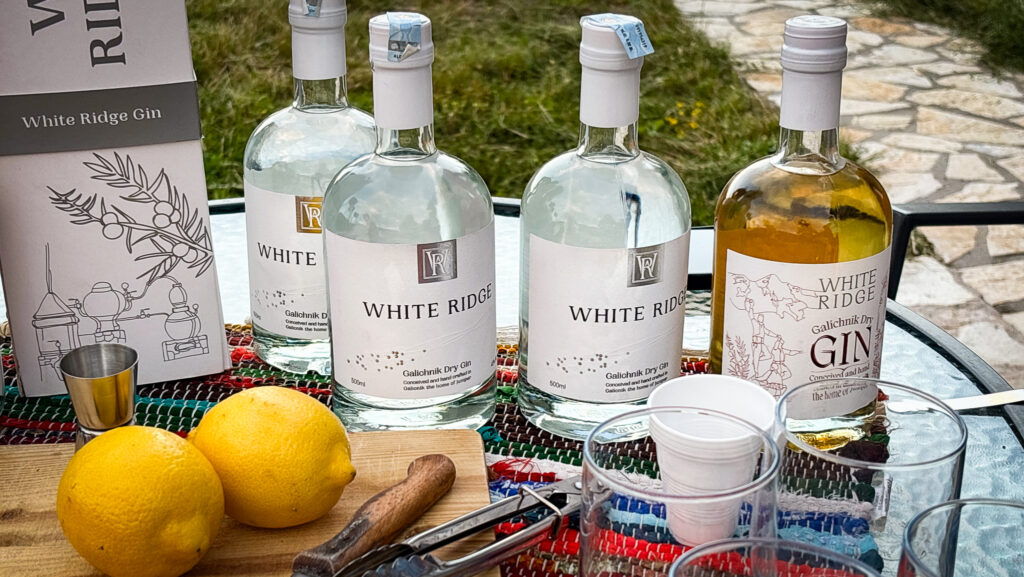
7. Macedonian juniper helps flavour gin around the world
North Macedonia’s mountain slopes are covered in wild juniper bushes, whose berries have been harvested for generations.
The berries are exported to distilleries across Europe and used to add distinctive flavours to premium gins such as Hendricks.
So while your gin and tonic may not have been made in North Macedonia, there is a chance that a little piece of its mountain landscape made it into your glass.
Cheers to that.
8. The famous Ohrid pearl is made with a secret recipe
One of North Macedonia’s most famous souvenirs has a surprising secret.
Unlike traditional pearls, Ohrid pearls are not created inside oysters. Instead, they are made using a closely guarded family technique involving the scales of the tiny endemic Ohrid bleak fish.
Only a handful of families know the original process, which has been passed down through generations.
The craftsmanship is so respected that Ohrid pearls have even been worn by European royalty including the late Queen Elizabeth II.
9. Mother Teresa was born in Skopje
One of the world’s most famous humanitarians was born in Skopje in 1910.
Although she was ethnically Albanian and spent most of her life working in India, Mother Teresa’s birthplace remains an important part of the city’s identity.
A memorial house now stands in central Skopje close to the site of her childhood home.
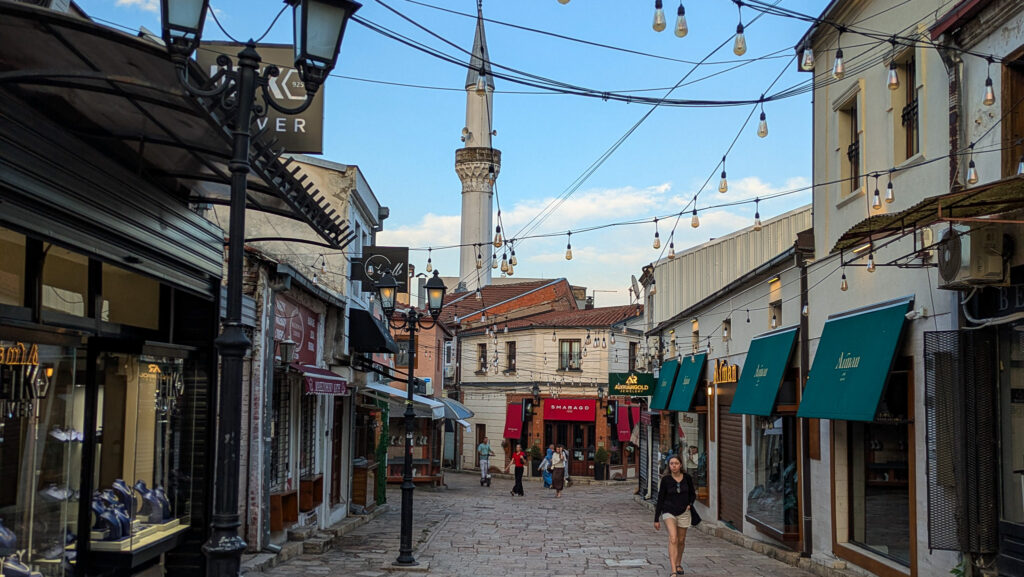
10. It is home to centuries-old Muslim communities
North Macedonia is one of Europe’s most culturally diverse countries, where you’re as likely to hear the Muezzin call to prayer as church bells.
Around a third of the population is Muslim, including Albanian, Turkish, Bosniak, Roma and Torbeši (Slavic Muslim) communities whose roots in the region stretch back centuries.
Across the country, Orthodox monasteries, Ottoman mosques, mountain villages and bazaars exist side by side – a reflection of the many cultures that have shaped this crossroads of Europe.
11. This small country has an ancient history
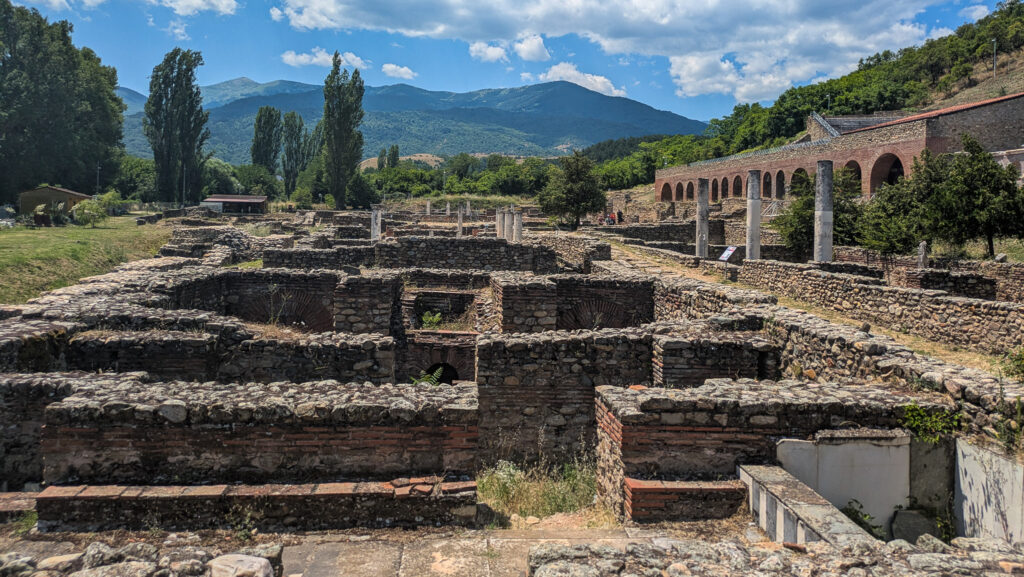
North Macedonia may be one of Europe’s younger nation states, but its history stretches back thousands of years. The region has been shaped by ancient kingdoms, Roman roads, Byzantine emperors and medieval rulers.
Near Bitola, the ancient city of Heraclea Lyncestis was founded by Philip II of Macedon in the 4th century BC. The ruins at nearby Stobi reveal one of the most important Roman cities in the Balkans, with impressive mosaics, theatres and early Christian architecture.
The legendary Via Egnatia – the Roman road connecting the Adriatic coast with Byzantium (modern-day Istanbul) – also crossed through the country. Parts are still visible today.
12. This is one of Europe’s least visited countries
Despite UNESCO World Heritage sites, spectacular mountains, ancient cities, delicious food and some of Europe’s warmest hospitality, North Macedonia remains one of the continent’s best-kept secrets.
Recent tourism research places North Macedonia among Europe’s least visited countries by international travellers, meaning visitors can still experience quieter trails, uncrowded historic sites and hospitality that is increasingly rare elsewhere in Europe.
For us, that is exactly what makes North Macedonia so special.
North Macedonia adventure holiday
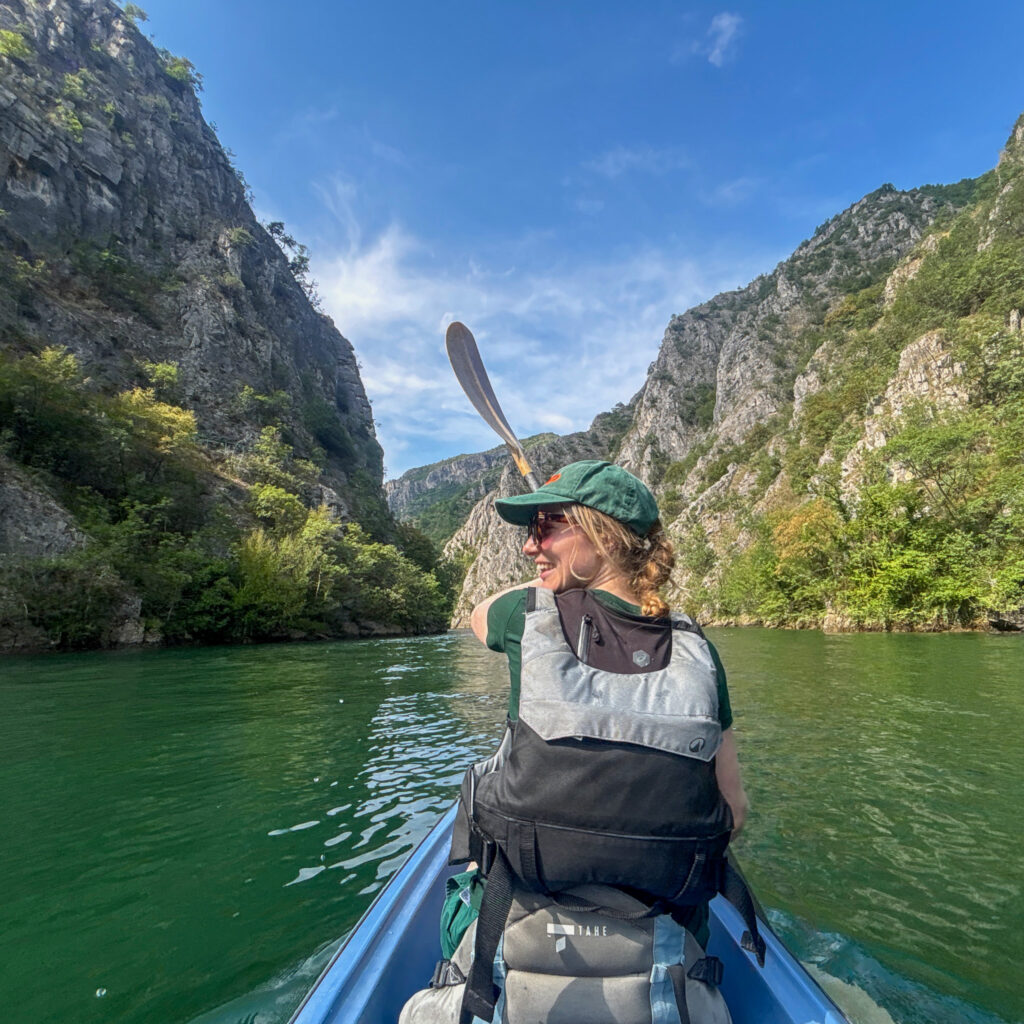
Explore Europe’s oldest lake, hike through wild mountain landscapes, taste local wines, discover ancient cities and experience the extraordinary mix of cultures that make North Macedonia one of the Balkans’ most rewarding destinations. Join one of our small-group adventures and discover a country that still feels wonderfully undiscovered, for families, couples, solos and friends.
Frequently asked questions about North Macedonia
Is North Macedonia worth visiting?
Yes. North Macedonia is one of Europe’s most underrated travel destinations, offering ancient history, UNESCO World Heritage sites, dramatic mountain landscapes, delicious food and some of the warmest hospitality in the Balkans.
From exploring the shores of Lake Ohrid and hiking through national parks to discovering Roman ruins, medieval monasteries and traditional villages, North Macedonia offers a huge variety of experiences for curious travellers.
What is North Macedonia famous for?
North Macedonia is best known for Lake Ohrid, one of Europe’s oldest lakes, as well as its ancient history, Byzantine churches, mountain landscapes, Macedonian wine, Ohrid pearls and the birthplace of Mother Teresa in Skopje.
The country is also famous for its fascinating mix of cultures, with influences from ancient Macedonian, Roman, Byzantine, Ottoman and modern Balkan history.
Where is North Macedonia?
North Macedonia is a landlocked country in the heart of the Balkans, bordered by Albania, Kosovo, Serbia, Bulgaria and Greece.
Its location has made it a crossroads between Europe, the Mediterranean and the Middle East for thousands of years, helping shape the country’s rich cultural diversity.
What is the most beautiful place to visit in North Macedonia?
Many visitors consider Lake Ohrid to be the highlight of North Macedonia. Its clear waters, historic old town, ancient churches and surrounding mountains make it one of Europe’s most beautiful destinations.
However, the country also has spectacular mountain regions including Pelister and Mavrovo National Parks, the Šar Mountains and Galičica National Park, which offer excellent hiking and outdoor adventures.
Is North Macedonia expensive to visit?
North Macedonia remains one of Europe’s most affordable destinations. Visitors can enjoy excellent-value accommodation, locally produced wine, traditional food and authentic experiences at prices that are often much lower than in Western Europe.
What language is spoken in North Macedonia?
The official language is Macedonian, a South Slavic language written using the Cyrillic alphabet. Albanian is also widely spoken, and many people working in tourism speak English.
The country is also home to smaller communities who preserve languages and traditions including Aromanian (Vlach), a Romance language descended from Latin.
Comments