
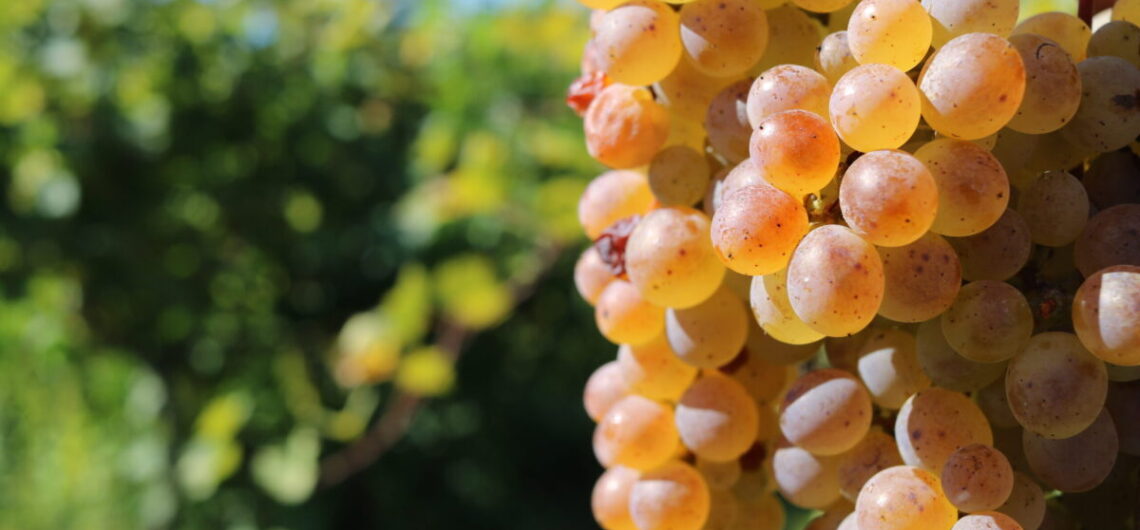
Wine, like rakia, is woven into any Balkan adventure. It is poured generously at guesthouse tables, shared after long hikes, and produced in vineyards that cling to steep hillsides, river valleys and sunbaked plains.
This week, we sat down with Dušan Jelić of @winesofserbia to talk Balkan wine regions and wines. Dušan has worked in the wine world for decades, and has seen the Balkan viticulture move from post-communist recovery to producing world class award-winning pours, all within 20 years.
Sadly, many of these bottles are hard to find in the UK or USA, which is all the more reason to travel to the country of origin and combine wine discovery with an Undiscovered Balkans adventure.
For Dušan, the vineyards of South-East Europe offer something unique: “Winemakers are warm, deeply hospitable and welcome you with an authenticity we have lost elsewhere. You will experience indigenous grapes you have never tasted before.” (For example, Prokupac, Tamjanika, Plavac Mali and Žilavka – names that sound more like incantations than grapes).
Best of all, says Dušan, “Wine is always paired with the Balkans’ exotic cuisine that fuses Mediterranean, Ottoman and local influences. Don’t forget that enjoying Balkan food and wine is budget-friendly! “
Dušan has kindly given us his tips on native grapes, top Balkan wine labels and local festivals, which we’ve paired with our adventures to nearby mountains, lakes and historic towns to create a practical guide to the main wine regions in the Balkans.
Related:
- A guide to Albanian food and wine
- 10 traditional Balkan foods you have to try
- How to drink Bosnian coffee the right way
Balkan Wine Regions: a Country-by-Country Guide
Croatian wine
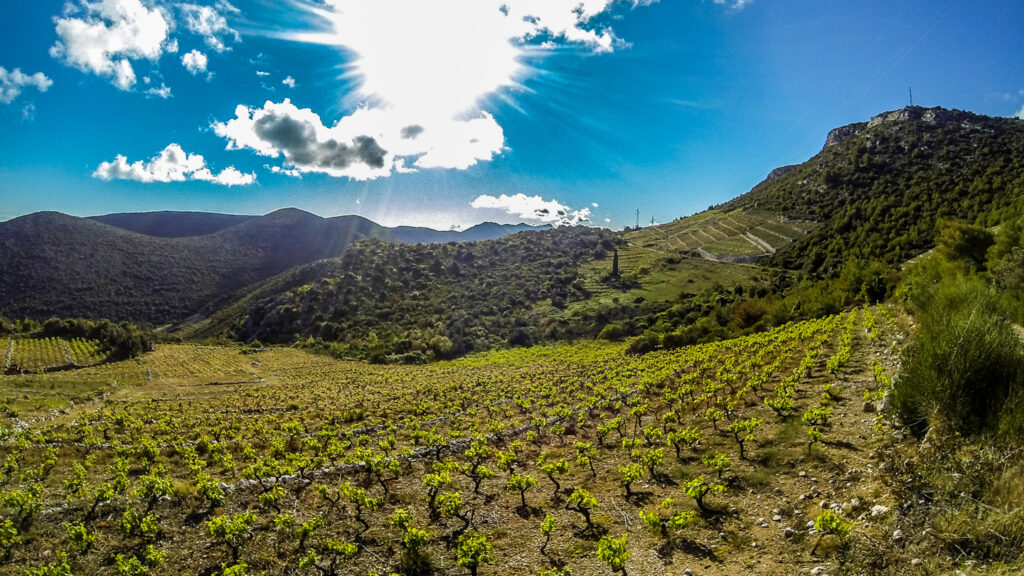
Events: Biklijada
When: September 2026
Where: Vrgorac
Croatia does niche, local and authentic festivals like no other. Did you know that there is even a tiny local festival dedicated to the Bikla drink, a mix of young red wine and goat milk? The strange but refreshing blend is only drunk at harvest time when the wine is still young. It’s possible to see people holding a wine under a goat as they milk it! Folk dances are also part of the fun.
Indigenous grapes
Reds: Plavac Mali: a full-bodied red from Dalmatia, (Hvar, Korčula) and the Pelješac Peninsula, Babić: a fruity red from Šibenik often seen growing on stone terraces and Teran: a ruby-red wine from Istria with spicy, earthy notes.
Whites: Pošip: a Dalmatian white known for its refreshing minerality and salinity; Malvasia Istriana (Malvazija): A dry white from Istria with floral aromas and Bogdanuša: a light, refreshing white from Hvar, meaning “gift from God”.
Dušan’s tip: “My favourite Balkan wine is Plavac Mali from Pelješac. It has this raw power: it’s so concentrated and full-bodied. The vines grows on slopes so steep that we say ‘even a goat with a handbrake couldn’t graze there.’ I also enjoy white Pošip from Korcula for its salinity.”
Where to go: Pelješac Peninsula (the base of our 7-day Southern Dalmatia multi activity holiday), Korcula and Hvar.
Montenegrin wine
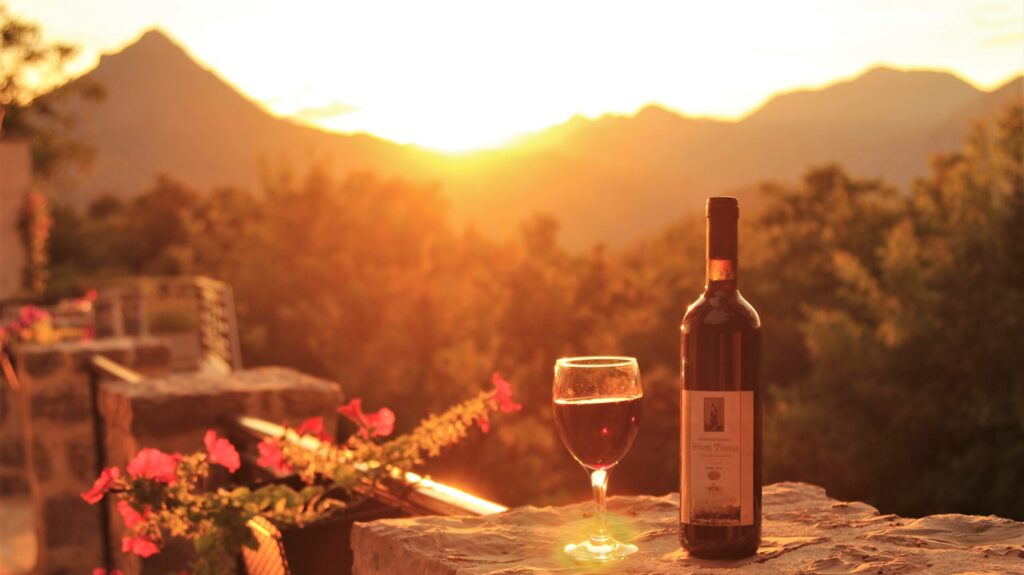
Events: Virpazar Festival of Wine and Bleak fish
When: March 2026
Where: Virpazar, Lake Skadar
This traditional festival celebrates Crmnica wines – especially bold Vranac and fresh Krstač – alongside the tasty ‘bleak’ freshwater fish from Lake Skadar. Tastings, stalls of seasonal food and lakeside views make this one of Montenegro’s most atmospheric spring events. Visit during our 7-day multi activity holiday in Lake Skadar.
Indigenous grapes
Reds: Vranac: southern Montenegro’s signature grape yields deep red wines with dark fruit, spice, and earthy notes; Kratošija: an old variety, related to Primitivo, used for robust spicy reds.
Whites: Krstač: an ancient indigenous white, producing dry, fresh wines ideal with fish.
Dušan’s tip: “The Vranac that grows next to Skadar lake is like drinking liquid rust – but in a good way! It’s so flavourful and warming and makes you want to discuss the essentials of life and poetry. As soon as you drink it, your body starts crying out for meat and bold cheeses, of which Montenegro has plenty.”
Where to go: Virpazar (known for Vranac reds), the location of our lovely Lake Skadar guesthouse Villa Miela, and Podgorica (known for Krstač whites).
Serbian wine
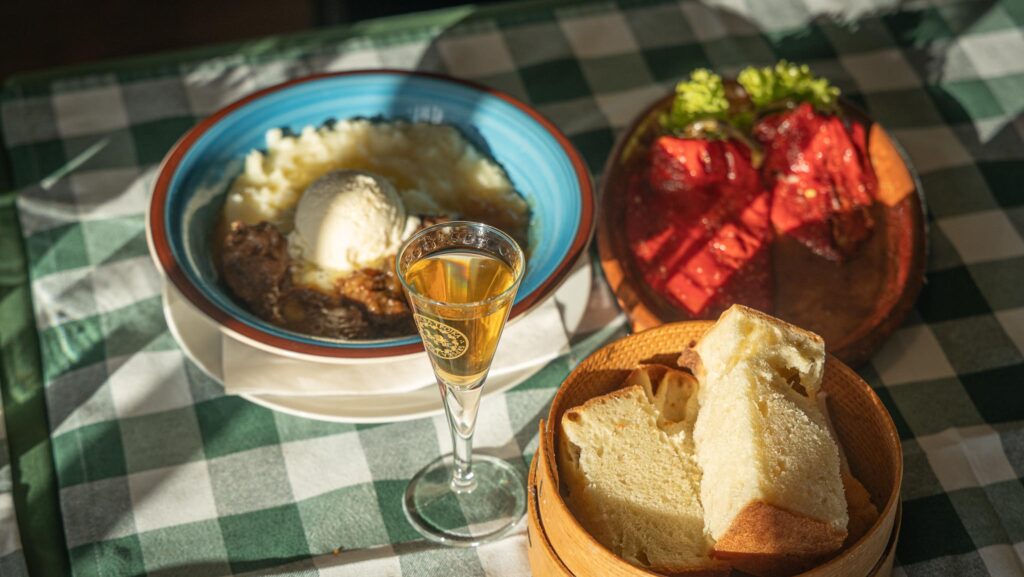
Events: Saint Tryphon’s Day
When: 14th February 2026
Where: Serbia & Montenegro
Never mind Saint Valentine – 14th February in the Balkans belongs to Saint Tryphon, patron saint of winegrowers. Vineyards host ceremonial pruning, blessings and plenty of toasting as locals welcome the new growing season. This is a festival rooted in rural life and is a great way to start exploring the countryside on one of our active holidays in Serbia.
Župa Grape Harvest
When: TBC September – October 2026
Where: Župa
Home of Serbia’s flagship red grape, Prokupac, Župa’s harvest festival celebrates small producers and traditional recipes. Tastings are paired with folk music and a visit to the excellent Museum of Winemaking and Viticulture.
Indigenous grapes
Reds: Prokupac: Serbia’s flagship red, producing medium-bodied wines with raspberry, cherry, and spice notes, also used for rosés; Vranac: a richly-coloured, full-bodied red.
Whites: Tamjanika: a fragrant Muscat variety with incense and honey aromas, often made into dry whites but also sweet styles; Smederevka: A native white grape, often blended, producing light, acidic wines; Grašac: a popular fresh white wine, found mainly in Fruška Gora and Bermet: A unique, herb-infused dessert wine from Fruška Gora, supposedly served on the Titanic – though this story comes with a large pinch of salt!
Dušan’s tip: “Many people like Tamjanika which in Serbia is made dry, not sweet, for the incense scent. Personally, I prefer Prokupac, a grape that is too ancient to even date. I recommend Francuska Vinarija Rogljevo in the Negotin region. Here you will still see elderly ladies from the village involved in the harvet.”
Where to go: Negotin, just north of the Stara Planina where we go on our 7-day Hiking Holiday in East Serbia.
Wines of Bosnia and Herzegovina
Indigenous wines
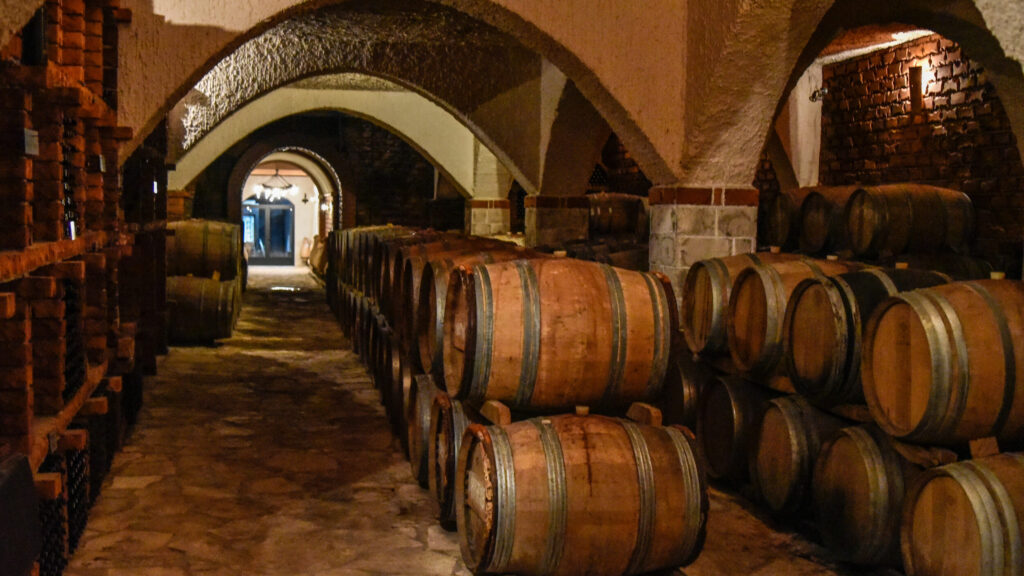
Reds: Blatina: deep red dry wine with spices, chocolate, found in Herzegovina, south of Mostar, the area with the most Mediterranean climate; Trnjak: full-bodied, premium quality reds and Vranac: this red grape also grows in Herzegovina, and is best tasted at the Tvrdoš Monastery.
Whites: Žilavka: Dry, fresh and minerally.
Dušan’s tip: “The ruby red Blatina and the white Žilavka are among Herzegovina’s best wines. At Vukoje they do wine tasting on the terrace with a view of Trebinje.”
Where to go: Explore the Herzegovina Wine Route (HWR), starting at Mostar on our 7-day hiking holiday to Bosnia and Herzegovina.
Bulgarian wine
Indigenous Grapes
Reds: Mavrud: a signature red from Thrace, known for dark fruit, spice, and earthy notes, found in the Thracian Lowlands; Melnik (Shiroka Melnishka Loza): an ancient red grape, creating rich, velvety wines, particularly in the Melnik region; Gamza: find this red grape on the cooler Danube plain.
Whites: Dimiat: an aromatic white grape, often used for crisp, refreshing wines and Tamianka: a Muscat-like aromatic white.
Dušan’s tip: “The main ‘black’ grape of northern Bulgaria is Gamza, so of course you must try this when you visit.”
Where to go: Harsovo in Struma Valley, a stunning region which we visit on our Bulgaria Holidays.
Albanian wine
Indigenous Grapes
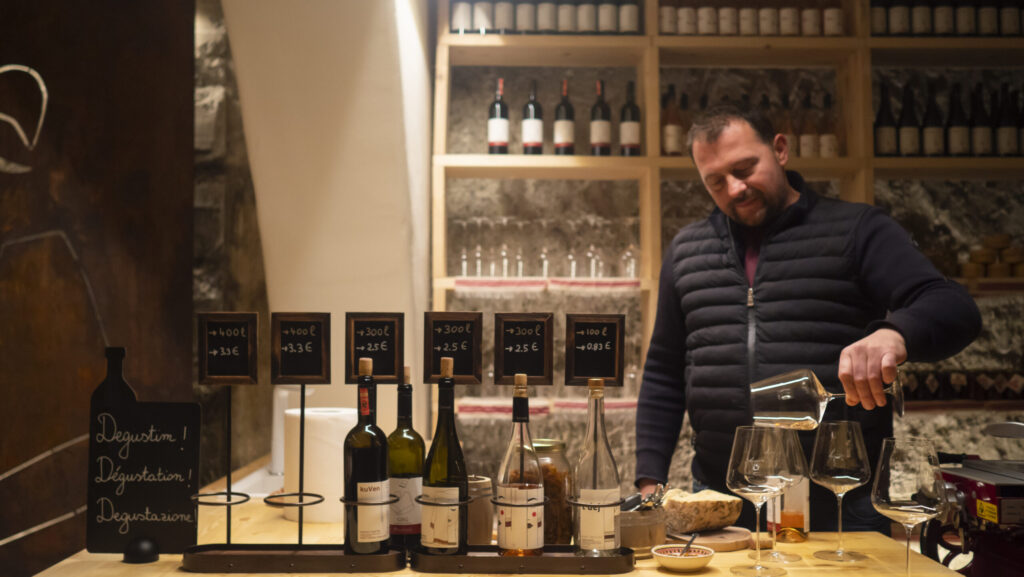
Reds: Shesh i Zi: Deep ruby colour, full-bodied with tannins, dark fruit; Kallmet: An expressive red, found around Berat; Vlosh: Deep red, fruity, spicy and Serina: Versatile, from dry rosé to premium aged reds found around Berat.
Whites: Shesh i Bardhë: A white wine with golden hues and fresh floral notes and Pules/Pulsi: A vibrant white great with lighter dishes and seafood.
Undiscovered Balkans’ tip: “We love the wines at Mrizi i Zanave, of which the Kallmet rose is particularly good. In Berat, they make a sparkling wine called Shendevere, from an Albanian word which means “the light contentment one gets from drinking wine.” Another great Berat wine is the bold red E Kuqja e Beratit and a rich, olivey Kashmer Grand Reserve, made with Vlosh grapes which grow amidst the fluffy olive trees that line the surrounding hills.”
Where to go: Berat, Lezhë and Shkodër – all of which are stops on our fabulous 7 day activity holiday in Albania and Albania food and culture tour.
Macedonian wine
Indigenous grapes
Reds: Vranec: a signature Balkan grape, producing deep-coloured, full-bodied reds with dark fruit (blackberry, cherry) and spice notes; Kratošija: another Balkan variety related to Primitivo yielding intense reds and Stanušina: a unique local grape known for lighter reds and delicate rosés.
Whites: Smederevka: a popular white producing crisp, fresh wines with citrus and green apple notes and Temjanika: aromatic sweet or dry Muscat-like wine.
Dušan’s tip: “As usual, I would choose the Vranec, and I had a great one from Chateau Kamnik near Skopje. You should also try wine Cellar Popovi in the Tikveš Region. It’s a passionate venture by couple Goce and Vesna and a sanctuary for the indigenous Stanushina grape.”
Where to go: COMING SOON.…Our North Macedonia activity holiday.
This is just a snapshot of the region’s wine calendar. Smaller, hyper-local festivals pop up all spring, summer and autumn across the Balkans. If we’ve missed your favourite, let us know in the comments or on our social media @undiscoveredbalkans.
Feeling inspired? Get in touch with us if you’d like to include some wine exploration in your next Balkan adventure or sign up to our newsletter for more travel inspiration, tips and offers.
Comments