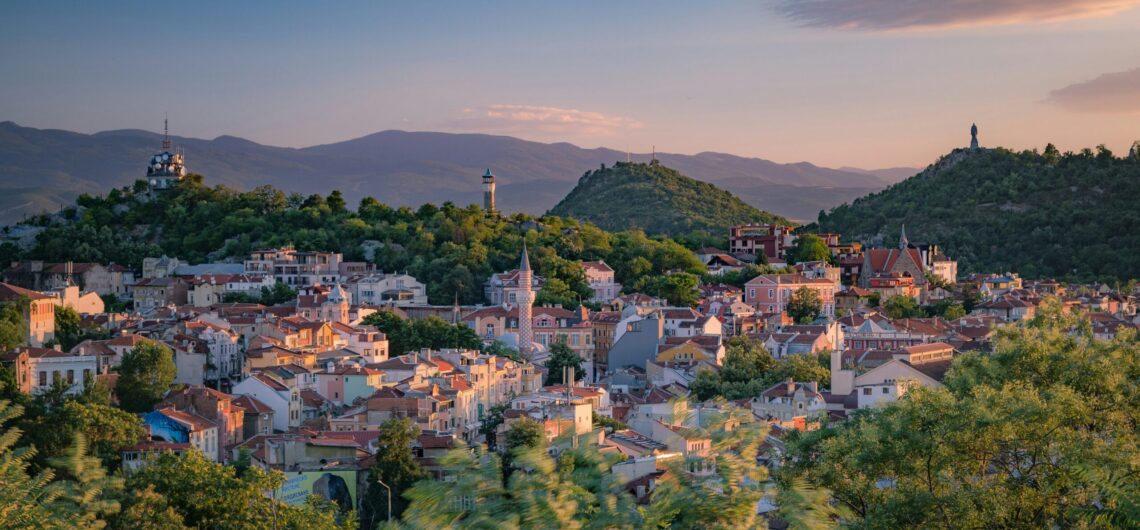
Bulgaria just won the 2026 Eurovision Song Contest with Dara's Bangaranga which had Vienna dancing the night away. And while the rest of Europe catches up with Bulgaria's Eurovision win moment, we'd like to suggest something: come and see what this Balkan country is actually like. Dara said in an interview that her Eurovision song Bangaranga was partly inspired by the Bulgarian tradition of kukeri (though the title means 'a joyful kind of disorder' in Jamaican patois). Kukeri (кукери) are masked costumed performers who do rituals to scare away evil spirits at New year and before Lent. After parading around the village, they gather in the main square to dance wildly and amuse people. This is just one of the rich traditions you can find in Bulgaria's mountains and villages. Why Bulgaria is more than its Black Sea resorts Bulgaria is not just Sunny Beach, or budget ski weeks in Bansko. It is one of the most biodiverse, historically layered, and spectacularly mountainous countries in the Balkans — and it is still, remarkably, underrated as a travel destination. More than 30% of Bulgaria's territory is covered by mountains, and some of the Balkans' most significant rivers run through it. Bulgaria contains 70% of Europe's bird species and 40% of its natural habitats. It is ranked third in Europe after Greece and Italy for archaeological monuments. It has more mineral springs than any country on the continent except Iceland. We are quietly delighted about that, and can be your trusty guide to making the most of it. We've started to run adventure and hiking holidays in Bulgaria in recent years, and we also offer tailor made trips crafted over the phone with real humans (us!). The country continues to surprise us. Here is what you should know before joining us: Bulgarian
Bulgaria just won the 2026 Eurovision Song Contest with Dara’s Bangaranga which had Vienna dancing the night away. And while the rest of Europe catches up with Bulgaria’s Eurovision win moment, we’d like to suggest something: come and see what this Balkan country is actually like. Dara said in an interview that her Eurovision song
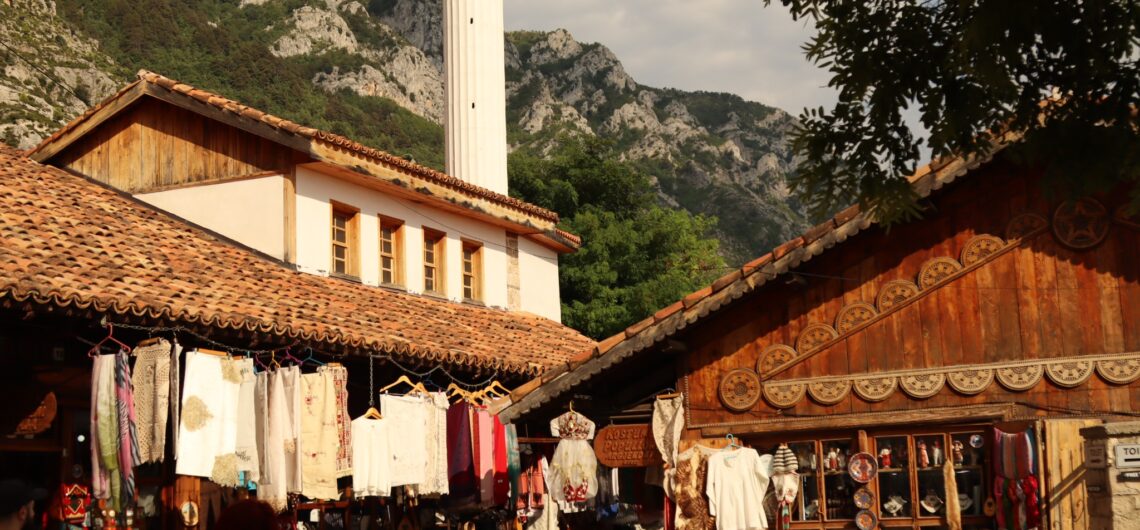
Welcome to our handy shopping guide on what to buy in the Balkans (souvenirs, gifts, local products). It goes without saying that the best souvenir from the Balkans is time spent there. But if you want something tangible to take home, here are 12 artisan crafts that are made locally, used daily and have long histories. Souvenirs is a word often associated with tourist tat, but the Balkans is not a turbo-charged tourism industry, so things you can buy in markets still tend to be hand-crafted traditional gifts. Plus, supporting local craftspeople is all part of being a conscientious traveller and leaving a positive impact. These 12 souvenirs are traditional Balkan gifts we genuinely love, use and give to our friends. Some are practical, some beautiful, some edible, and all of them will have you hankering to go back long after you’ve unpacked your bag. What to buy in the Balkans: The best traditional gifts in the Balkans are locally made, small-batch products that reflect the region’s culture. Look for: Rakia (fruit brandy) from family-run distilleries Regional wines from lesser-known Balkan vineyards Handmade ceramics and traditional pottery Embroidered textiles and handwoven rugs Olive oil, preserves and other small-batch food products Herbal teas and natural, plant-based cosmetics Artisan jewellery inspired by local heritage Scroll down to find out where to find the best of each... Handwoven Kilims: Albanian and Serbian Rugs Among the best traditional gifts to buy in the Balkans, a handwoven kilim dates back centuries. Distinct traditions are found in Albania's Lake Shkodra region and Serbia's Pirot near the Stara Planina. Albanian kilim weaving dates back to Ottoman times, when rugs were gifted as dowries (paja), and the motifs woven into each piece told the story of a specific place, family and tribe. Our Multi-activity holiday in Albania includes
Welcome to our handy shopping guide on what to buy in the Balkans (souvenirs, gifts, local products). It goes without saying that the best souvenir from the Balkans is time spent there. But if you want something tangible to take home, here are 12 artisan crafts that are made locally, used daily and have long
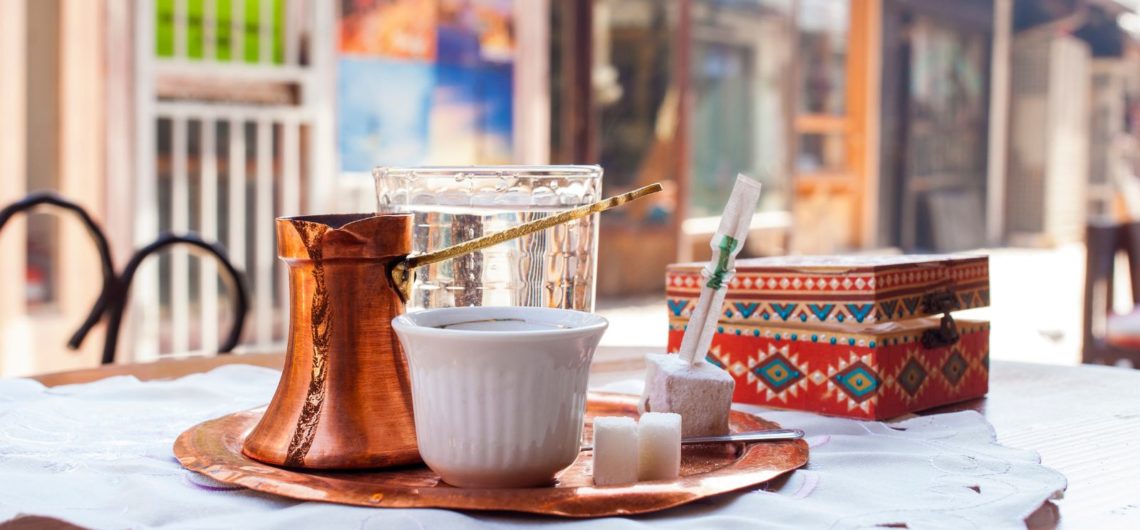
Coffee is the cornerstone of Bosnian culture and has been since the Ottomans introduced it in the 15th century. But make no mistake, it is not the same as Turkish coffee. Order the latter at a cafe in Sarajevo and you’ll soon be corrected. Tasting Bosnian coffee (Bosanska kahva) is a must-do experience during your trip to Bosnia and there’s a certain ritual to follow. So to ensure you er… blend in with local connoisseurs, we’ve drafted in an expert. Enter Skender, our amazing guide in Bosnia. There's nothing Skender doesn't know about Bosnian coffee and if you’re joining one of our guided holidays there, you'll get the full demonstration. What is Bosnian coffee and how is it made? Bosnian coffee is a strong, unfiltered coffee which is so thick you could almost chew it. It’s served with sugar cubes and a sweet similar to Turkish delight called rahat lokum. There’s a science to making the ideal brew, explains Skender. ‘The water needs to be heated to a temperature between 93℃ and 95℃ in a pot traditionally called a šerbetnjak. ‘After the water reaches the required temperature, coffee is placed in the special copper pot, which we call đezva. The amount of coffee varies depending on personal preferences and the desired strength of coffee. ‘The đezva is returned to the heat source and held for a few moments to warm the bottom of the pot. This step allows the coffee to begin to develop its full aromatic profile. Then the water is carefully poured over the coffee, which achieves the characteristic "pop" sound. This sound is an important part of the tradition and symbolises that the coffee is properly prepared.’ ‘After pouring the water, the đezva returns to the heat until the coffee boils. This step requires attention because the
Coffee is the cornerstone of Bosnian culture and has been since the Ottomans introduced it in the 15th century. But make no mistake, it is not the same as Turkish coffee. Order the latter at a cafe in Sarajevo and you’ll soon be corrected. Tasting Bosnian coffee (Bosanska kahva) is a must-do experience during your
This website uses cookies to improve your experience. You may opt-out if you wish. Cookie settingsACCEPT
Privacy & Cookies Policy
Privacy Overview
We use cookies to improve your experience while navigating our website. Of these cookies, those that are categorized as necessary are stored in your browser as they are essential for the basic functionality of the website. We also use third-party cookies that help us analyze and understand how you use this website. These cookies will be stored in your browser only with your consent. You also have the option to opt-out of these cookies. However, opting out of some of these cookies may have an effect on your browsing experience.
Necessary cookies are absolutely essential for this website to function properly. This category only includes cookies that ensure basic functionality and security features of the website. These cookies do not store any personal information.
Any cookies that may not be particularly necessary for this website to function and are used specifically to collect user personal data via analytics, ads, other embedded contents are termed as non-necessary cookies. It is mandatory to procure user consent prior to using these cookies on this website.