Bulgaria just won the 2026 Eurovision Song Contest with Dara’s Bangaranga which had Vienna dancing the night away. And while the rest of Europe catches up with Bulgaria’s Eurovision win moment, we’d like to suggest something: come and see what this Balkan country is actually like.
Dara said in an interview that her Eurovision song Bangaranga was partly inspired by the Bulgarian tradition of kukeri (though the title means ‘a joyful kind of disorder’ in Jamaican patois). Kukeri (кукери) are masked costumed performers who do rituals to scare away evil spirits at New year and before Lent. After parading around the village, they gather in the main square to dance wildly and amuse people. This is just one of the rich traditions you can find in Bulgaria’s mountains and villages.
Why Bulgaria is more than its Black Sea resorts
Bulgaria is not just Sunny Beach, or budget ski weeks in Bansko. It is one of the most biodiverse, historically layered, and spectacularly mountainous countries in the Balkans — and it is still, remarkably, underrated as a travel destination.
More than 30% of Bulgaria’s territory is covered by mountains, and some of the Balkans’ most significant rivers run through it. Bulgaria contains 70% of Europe’s bird species and 40% of its natural habitats. It is ranked third in Europe after Greece and Italy for archaeological monuments. It has more mineral springs than any country on the continent except Iceland.
We are quietly delighted about that, and can be your trusty guide to making the most of it. We’ve started to run adventure and hiking holidays in Bulgaria in recent years, and we also offer tailor made trips crafted over the phone with real humans (us!).
The country continues to surprise us. Here is what you should know before joining us:
Bulgarian mountains: where to go and what to do
Rila: the Seven Lakes circuit and Rila monastery
Our favourite mountain ranges in Bulgaria, and the focus of our Bulgaria mountain hiking holidays, are Rila and Pirin. Both are within a three-hour drive of Sofia, both have steep, dramatic terrain, and offer the kind of hiking that competes with anywhere in the Alps — with a fraction of the crowds.
Travel writer Kapka Kassabova describes these mountains so well in her Balkan trilogy, Borderland, Elixir and Anima.
Rila is home to Mount Musala, the highest peak in the Balkans at 2,925 metres. The classic route starts in Borovets, takes a gondola to around 2,375 metres, and then follows a there-and-back trail through glacial lakes and dense forest to a 360-degree summit panorama. It covers 14km with around 600 metres of elevation gain, and is rated moderate — challenging enough to feel earned, manageable enough for most fit walkers. It’s broadly comparable to the famous Waterfall Trail in Slovakia’s High Tatras but the scenery is more varied, the trails are quieter, and the cost of everything from coffee to accommodation is considerably lower.
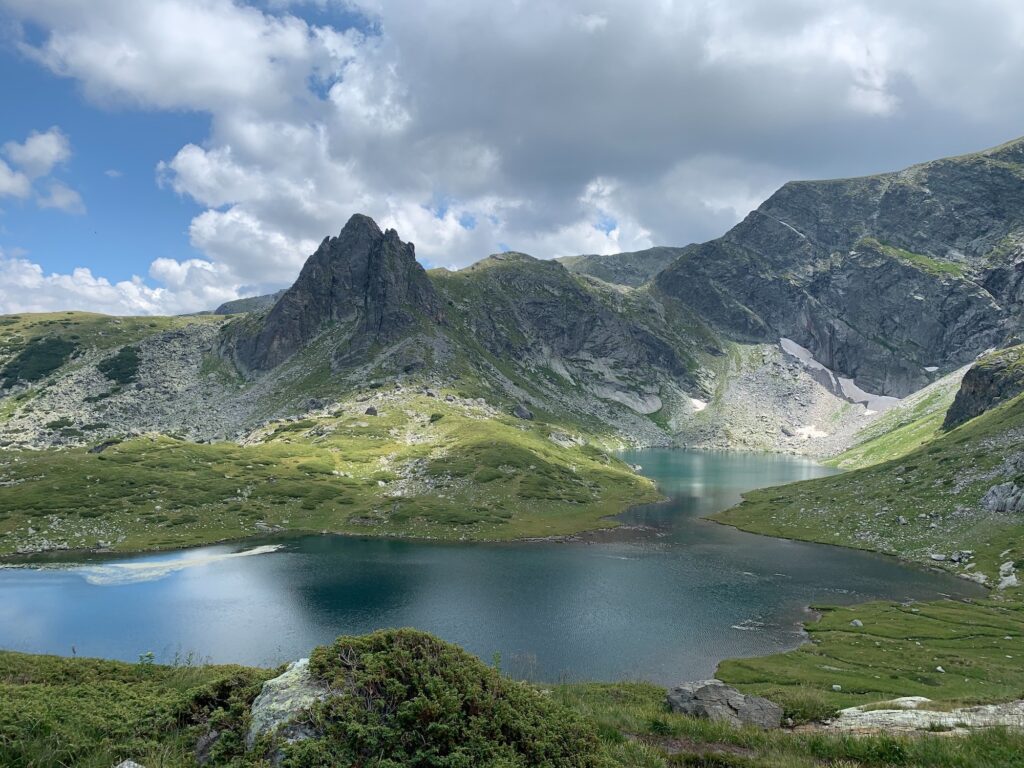
Rila is also home to the Malyovitsa valley, the cradle of Bulgarian alpinism, and the famous Seven Rila Lakes circuit — one of the most photographed landscapes in the country.
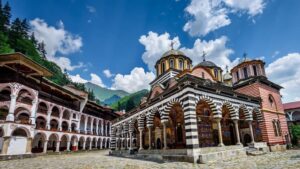
And of course, the Rila Monastery: a 10th-century masterpiece of Orthodox architecture, its walls covered floor to ceiling in vivid frescoes, and the largest Eastern Orthodox monastery in Bulgaria. We visit it on our hiking holiday.
Pirin: hikes in Bulgaria’s national park
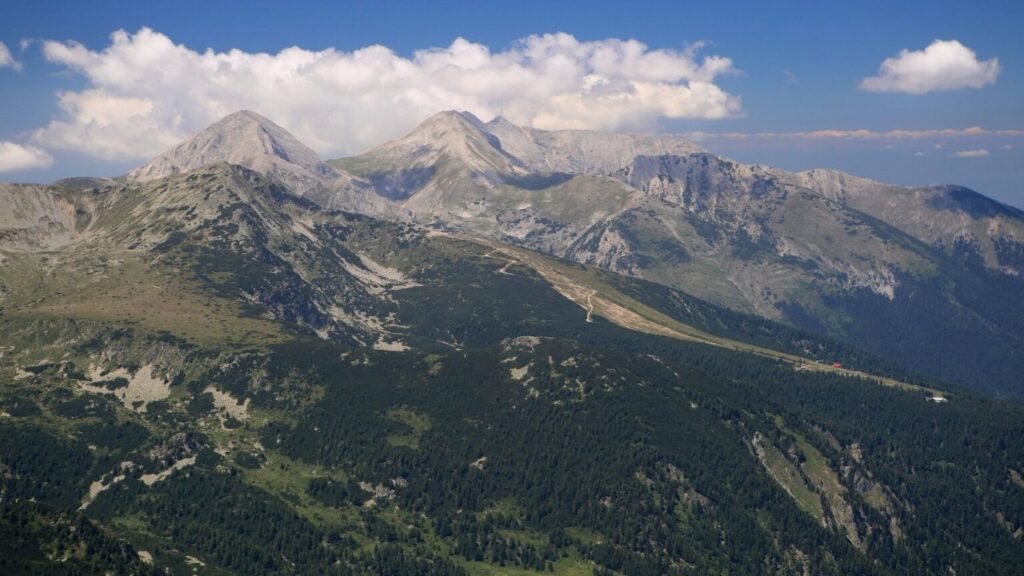
Pirin is wilder and slightly less visited. Pirin National Park is UNESCO-listed and formed of jagged limestone peaks, glacial lakes, waterfalls, and ancient coniferous forest. The highest point is Vihren at 2,914 metres. The highlight is the Marble Ridge, with Lord of the Rings-style epic views (see below).
Meanwhile, the Bezbog area gives a glimpse into the more remote, central part of the mountain.
Hike the Rhodope mountains: Bulgaria’s best kept secret
The Rhodope Mountains in southern Bulgaria are our close second favourite, and arguably the most underrated part of the country. The largest mountain range in Bulgaria (part of it extends into Greece), the Rhodopes are a world apart: rolling hills, high mountain lakes, dramatic karst landscapes, and excellent mountain biking trails.
What makes the Rhodopes genuinely unique, though, is the people. This region is home to Bulgaria’s minority Muslim ‘Pomak’ population — around 10% of the national total — and the traditional villages here offer probably the warmest and most authentic local hospitality you will find anywhere in Bulgaria. If you want to understand the layered, multi-faith character of the Balkans, come to the Rhodope.
The mystical Strandzha mountains
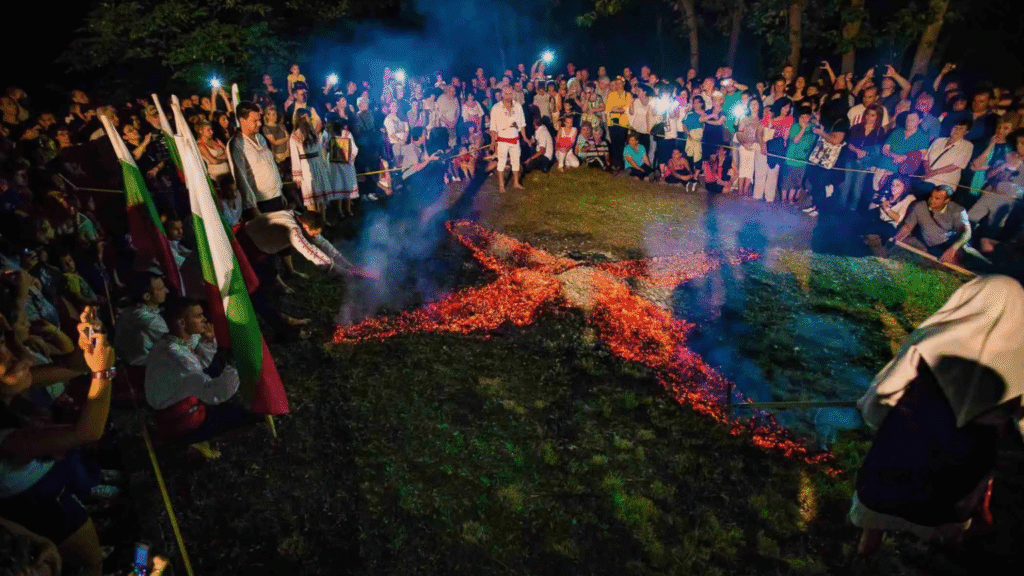
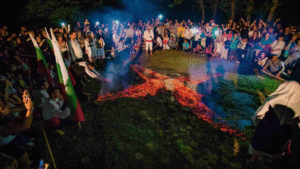
It’s here you’ll find traditions like Nestinarstvo, the ancient fire-dancing ritual of the Strandzha mountains, where dancers walk across hot coals in a trance on 3rd June each year. The most authentic performances are still in the traditional villages, not the tourist restaurants.
Related:
- Meet Atanas, our Bulgaria adventure guide
- 15 fun facts about Bulgaria
- The best UNESCO sites and sounds in the Balkans
Adventures beyond hiking in Bulgaria
Bulgaria’s rivers are seriously underrated for adventure travel. The Struma and Iskar rivers are excellent for white water rafting and kayaking. For those who want something more mellow, the mountain lakes in Rila and Pirin are perfect for wild swimming in summer.
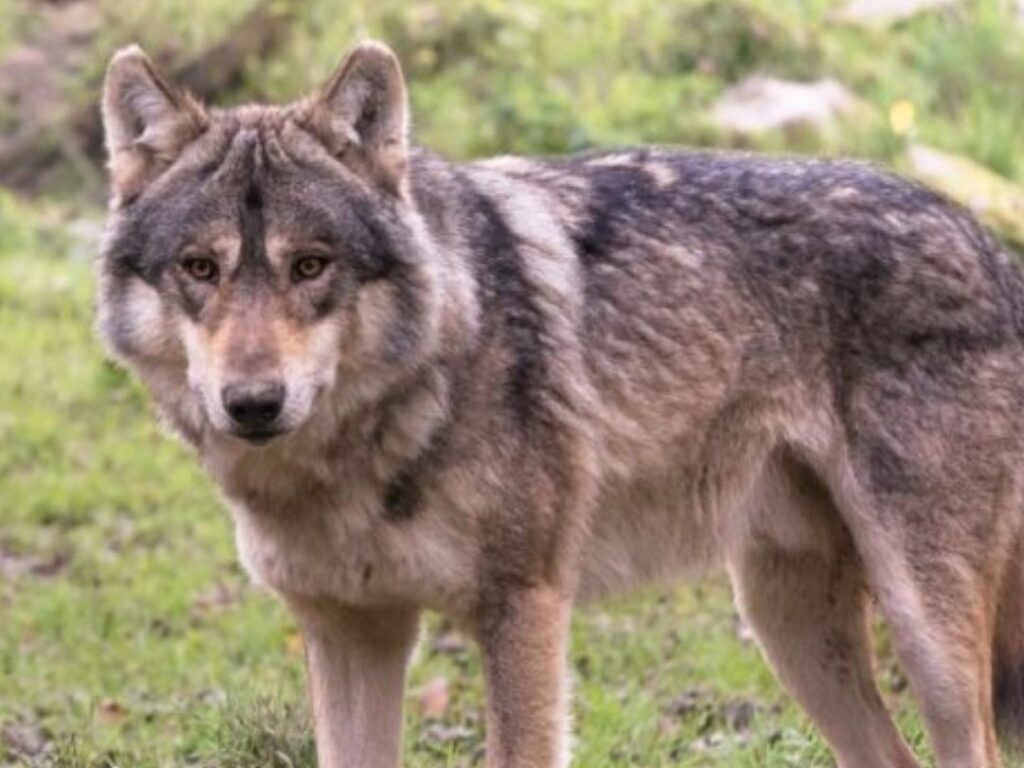
Bulgaria is also a paradise for birdwatchers and wildlife enthusiasts. The southeast of the country in particular holds extraordinary biodiversity — 70% of Europe’s bird species live here, alongside bears, wolves, and a rare variety of habitats including wetlands, old-growth forest, and open steppe.
Bulgarian food, wine and rakia
Bulgarian food shares much with its neighbours — grilled meats from the Serbian tradition, fresh salads with white cheese from Greece, stuffed vegetables and baklava from the Ottoman inheritance. The shopska salad and banitsa (cheese-filled pastry) are essentials.
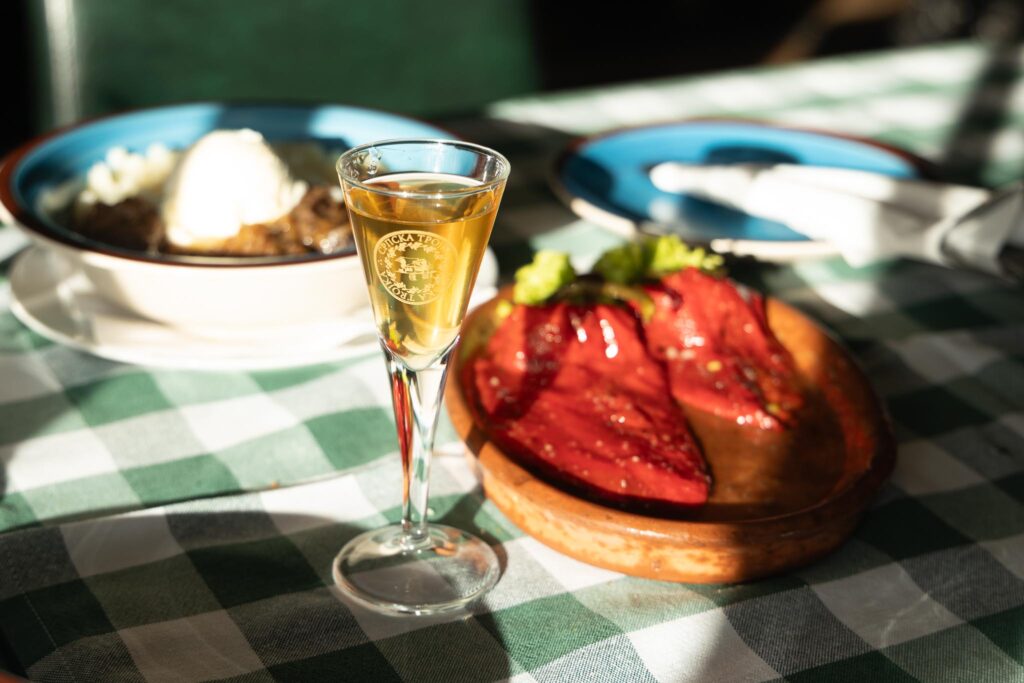
Rakia first. As across the Balkans, every Bulgarian family has their own recipe and their own firmly held opinion that theirs is the best. Try the homemade version when it’s offered to you, but make sure it has been tried and tested by the family first. Not all homemade hooch is good.
Kapama is the dish most specific to Bulgaria: a slow-cooked clay pot of mixed meats, potatoes, and vegetables, best eaten in the Bansko region.
Follow your kapama with thick creamy yoghurt and blueberry jam.
Bulgarian wine
Bulgaria has four times the wine-growing area of France and is a major exporter. The indigenous grape varieties are worth seeking out. Mavrud, a dark, spiced red from the Thrace region, is distinctly Bulgarian. Melnik, from the ancient Melnik region, produces rich and velvety reds. In northern Bulgaria, look for Gamza. The Struma Valley, which we visit on our Bulgaria holidays, is an excellent wine region.
Check out our Balkan wine guide
Bulgaria’s history, UNESCO listed culture and things visitors miss
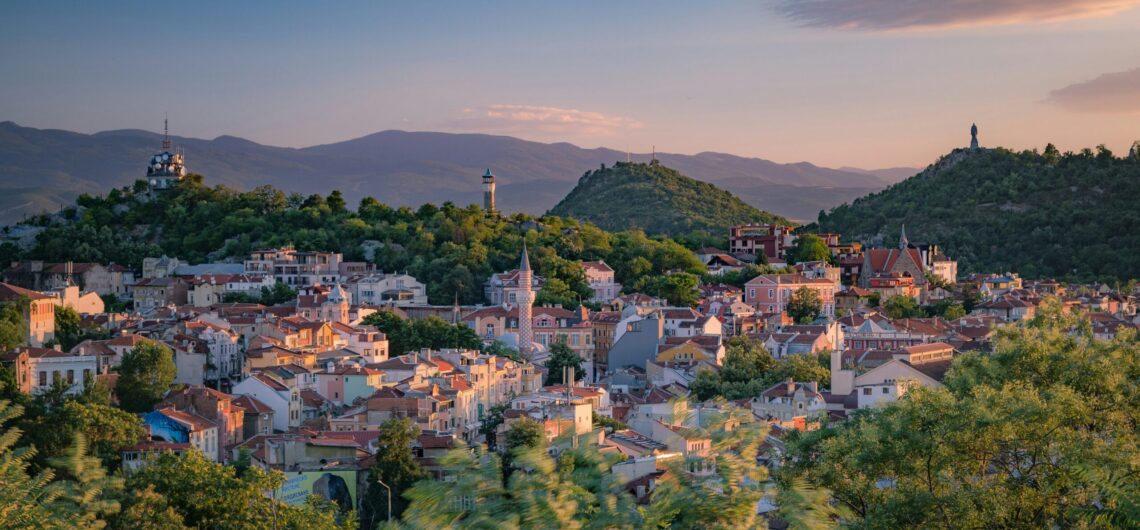
Bulgaria was established in 681 AD and has never been renamed — making it one of the oldest continuously existing regions in Europe. Plovdiv, in the south, is around 8,000 years old: its Roman amphitheatre and old town are fascinating.
The country has always sat at a crossroads of empires — Ottoman, Byzantine, Roman — and that layered history is visible everywhere: in cities where Orthodox churches sit beside delicate mosques, in the mountain monasteries scattered through the Rila range, and in traditions like Nestinarstvo, the ancient fire-dancing ritual of the Strandzha mountains, where dancers walk across hot coals in a trance on 3rd June each year. The most authentic performances are still in the traditional villages.
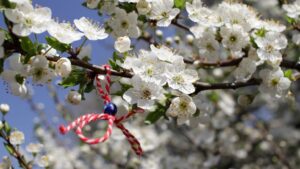
Important Spring rituals are still celebrated here. Baba Marta (“Grandma Spring”) is celebrated on 1st March each year with the exchanging of red and white bracelets. Red symbolises life and white symbolises purity. They’re worn until the end of the month or until a stork is seen, which symbolises the arrival of spring and new birth.
One more fact, because we enjoy it: in 1977, a Bulgarian folk song was included on the Voyager I space probe. It is currently the furthest human-made object from Earth. Bulgaria has been doing unexpected things for a long time!
Bulgarian Rose Products from the Thracian Valley
Throughout May and June damascene roses bloom across central Bulgaria, in a valley that produces over 50% of the world’s rose exports for essential oils, perfumes, cosmetics and food. The intensely fragrant flower is rich, sweet and heady.
If you visit Bulgaria in May-June, you’ll find plenty of roadside stalls selling rose oil, perfumes, teas and jams, included in our What to buy when you visit the Balkans blog post.
The Thracian valley itself is closer to Plovdiv than Sofia, where we are based on our Bulgaria holidays. However, whose to say you can’t extend for a road trip after hiking the Plana Planina with us?
The bottom line on travelling Bulgaria 2026
Bulgaria just put itself on the global map with a Eurovision win. The timing, for those of us who have been quietly championing this country for years, feels apt. It has always deserved more attention: for its mountains, its biodiversity, its food, its history, and the warmth of the people you meet away from the resorts.
The crowds haven’t arrived yet. But hurry, that won’t last forever!
FAQs: Frequently Asked Questions about travelling to Bulgaria
Is Bulgaria safe to visit in 2026? Yes. The UK Foreign Office considers Bulgaria safe. Violent crime against tourists dropped 12% in 2025, with the country recording just 2.3 serious crimes per 100,000 visitors. Petty theft in busy tourist areas is the main thing to watch for — standard common sense applies. For active travellers heading into the mountains, always check weather forecasts and carry layers, as conditions can change quickly. If hiking, we always recommend travelling with a guide because mountain rescue services are less well-funded than in Western Europe.
Do I need a visa to visit Bulgaria? UK citizens can travel to Bulgaria without a visa for stays of up to 90 days within a 180-day period under the Schengen Area agreement. The same applies to US, EU, Canadian, and Australian passport holders. Bulgaria joined the Schengen Area in 2025, meaning border procedures are now simpler for EU travellers.
What currency does Bulgaria use? Bulgaria officially adopted the euro on 1 January 2026, replacing the Bulgarian lev. During the transition period, prices are often shown in both currencies, with a fixed conversion rate of 1 EUR to approximately 1.95583 BGN. For travellers, this makes Bulgaria simpler and more straightforward than before — no currency exchange needed if you’re arriving from another Eurozone country.
When is the best time to visit Bulgaria for hiking? Late May through September is the sweet spot for hiking in Rila and Pirin. Snow can linger on the higher peaks into June, and September brings cooler temperatures, quieter trails, and the best light for photography. July and August are warm but can get busy around popular spots like the Seven Rila Lakes. The Rhodopes are accessible and enjoyable for walking from April through October.
How difficult is hiking in Bulgaria? Bulgaria’s mountain hiking ranges from straightforward to genuinely challenging. The Mount Musala summit route — the highest peak in the Balkans at 2,925 metres — covers 14km with around 600 metres of elevation gain and is rated moderate, suitable for fit walkers without specialist experience. Pirin’s Marble Ridge and Bezbog area involve more varied terrain. Our Bulgaria mountain hiking holiday is designed for active travellers with a reasonable level of fitness rather than technical mountaineers.
Is Bulgaria good value for money? Extremely. Despite adopting the euro, Bulgaria remains one of the most affordable travel destinations in Europe. Coffee, dining out, accommodation, and activity costs are all considerably lower than Western Europe, and the quality — particularly of food and mountain guiding — is high. Adventure travellers tend to find it exceptional value compared to equivalent trips in the Alps or Dolomites.
What is there to do in Bulgaria beyond skiing and the beach? Quite a lot, as it turns out. Bulgaria’s growing appeal for non-coastal travel products is one of the key factors driving its slow growing popularity.
Hiking in Rila and Pirin, mountain biking in the Rhodopes, rafting and kayaking on the Struma and Iskar rivers, birdwatching along the Via Pontica migration route, exploring Plovdiv’s Roman ruins, visiting Rila Monastery, and wine tasting in the Thrace and Melnik regions are all genuinely excellent reasons to visit — none of which involve a sun lounger.
Feeling inspired? Explore our Bulgaria mountain hiking adventure, browse all Bulgaria holidays, or get in touch to start planning a tailor-made Bulgaria holiday.
Comments