Whether you’re planning an active holiday, a family adventure, or simply wondering whether Montenegro deserves the hype it’s been getting in recent years, this guide should help.
May 2026 marks 20 years since Montenegro voted for independence. We’ve been here for 18 of them, long enough to watch a small Balkan nation of 600,000 people become one of Europe’s most compelling destinations for curious, active travellers (and long enough for us to have developed strong opinions about which konoba does the best grilled fish).
Montenegro isn’t a cheaper Dubrovnik. We love Croatia, but here is something else: an authentic, less crowded, and experience-led destination with adventure travel credentials, and the advantage of nobody asking you to pose for a photo in front of a Game of Thrones filming location!
A country with deeper roots than you think
Montenegro is often described as a young nation, but that’s misleading. Its roots stretch back to 12th-century Duklja, the first formalised southern Slavic kingdom, and it had its own royal family until the end of the First World War. The 2006 independence referendum was a new chapter, not a beginning.
That layered history is visible everywhere. Cyrillic and Latin alphabets share the same street signs. A 16th-century mosque stands in Stari Bar alongside Byzantine ruins. The country carries a fascinating mix of Orthodox Christianity, Ottoman influence (around 20% of Montenegrins are Muslim), and former Venetian Empire coastal culture — and has that unmistakable frisson of Eastern influence you find in Bosnia, Kosovo, and Albania.
A word of caution:
Don’t believe headlines describing Kotor as a quieter, undiscovered Dubrovnik. In peak summer, the old town’s narrow cobbled streets are packed, with cruise ships adding large daily visitor numbers, and coastal traffic piling up. If Montenegro seaside holidays appeal, it’s best to plan your visit outside peak summer times (or, follow us somewhere more secret on the coast)! The real discovery for curious, active travellers lies inland, where the cruise ship passengers are not.
Related:
- Wildlife in Montenegro: where to find dolphins, bears, wolves and more
- The Undiscovered Guide to Podgorica
- Meet Ben, co-founder of Undiscovered Balkans
- Meet Emma, co-founder of Undiscovered Balkans
The Montenegro most visitors miss
The Montenegro most people see – Kotor, Budva, Tivat – is only a small part of the country’s story. Beyond the coast, mountains tumble into lake shores and deep canyons, villages sit beneath limestone peaks, and daily life still moves at a slower pace. It’s this quieter, wilder side of the country that makes Montenegro such a rewarding place to explore actively.
Montenegro national parks: where the real adventure begins
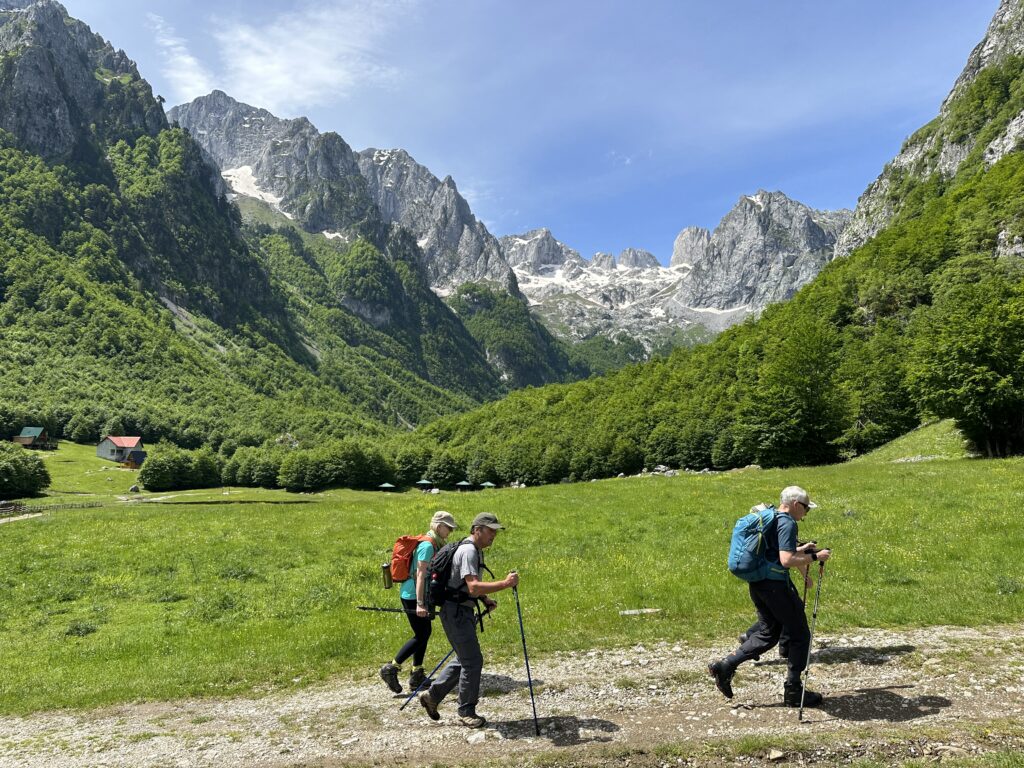
Montenegro is the most mountainous country in Europe by landmass (its name literally means Black Mountain) and its five national parks are where the magic happens. Durmitor, Biogradska Gora, Prokletije, Lake Skadar, and Lovćen protect over 13% of its land and pack in an incredible variety of landscapes that are comparable to Switzerland: alpine lakes, karst plateaus, ancient forests, and peaks that rise to nearly 2,700 metres. Here you’ll find some of the best hiking anywhere in the Balkans.
Check out our Montenegro hiking holidays.
Swap Montenegro’s coast for Lake Skadar
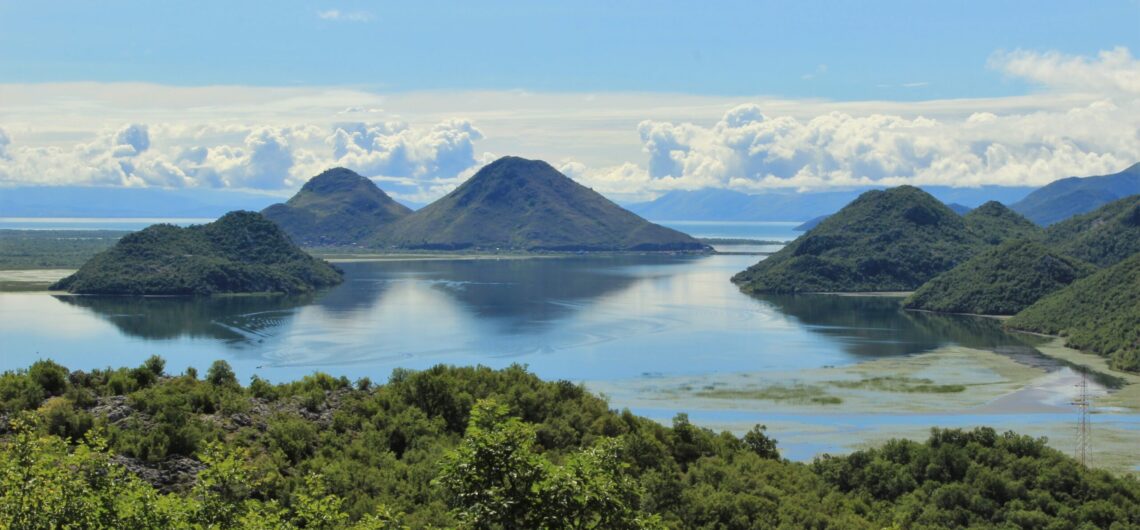
For a Montenegro holiday with an active twist, Lake Skadar National Park is the perfect starting point. Often compared to Lake Como for its epic mountain scenery, it is the largest freshwater lake in southern Europe and (we argue) a better alternative to the coast in summer. It’s where we launched our first ever Montenegro activity holiday, which was featured by The Guardian, and it’s also been the home of our founders since 2008.
“When we arrived at the lake just after independence and bought a ruin, I remember puzzling locals by saying our guests would stay for a week, for activities like kayaking and hiking. Unheard of back then. They said better to get a boat and some pedalos. We didn’t listen of course, bought some kayaks, and it’s been wonderful to watch a kayaking culture slowly take hold at the lake. These days it’s easy to rent a kayak in the main tourist centres, but the best kayaking of all is far from these places. It’s why our travel company has developed a range of kayaking and paddlesports tours that are multi-day immersions in the lake’s wild nature and a much more rewarding, environmentally-friendly way to explore,” says UB co-founder Emma.
At the heart of Lake Skadar’s Montenegrin shores sits Virpazar, a small fishing village whose name combines “Vir” meaning confluence of rivers, and “Pazar” the Turkish word for market. Day trippers arriving for boat tours here may miss its sleepy charms, but they are very much present in the early morning, when you can watch waterbirds while drinking coffee, in the sultry summer evenings, and anytime outside of the main tourist season.
In the middle of Lake Skadar stands the Beška Island monastery, home to nuns who make pomegranate juice in industrial quantities and a coffee liqueur that has found its way into our tiramisu.
Speaking of tipple, Lake Skadar is also wine country and the accommodation we use there is surrounded by plentiful family-owned vineyards which offer wine tours and tastings.
Check out our Lake Skadar holidays and Lake Skadar Guide.
Pomegranates galore: a taste of the East
Stari Bar’s ancient pomegranate trees have made the town synonymous with the fruit. The deep-red juice is pressed and sold locally, and a small but growing number of producers now make pomegranate wine: sweet, sharp, and unlike anything you’ll taste elsewhere in the Balkans.
Stari Bar is also home to the oldest olive tree in Europe. The Old Olive Tree in Mirovica has been there for over 2,000 years and is a monument protected since 1963. Legend has it that feuding families would come to the Old Olive Tree to make peace under its branches.
Combine Stari Bar’s cultural charms with canyoning on a Montenegro active adventure
So, what has changed in Montenegro?
Getting here has never been easier
When our founders Ben and Emma moved to Montenegro in 2008, there were no direct budget flights. They flew into Dubrovnik and drove across the border, which felt adventurous at the time and is now simply called “the scenic route” by people trying to avoid Ryanair fees.
Today you can fly direct from London, Birmingham, and Manchester with BA, Wizz Air, Ryanair, and TUI. Daily buses connect Podgorica airport to the main bus station in the capital, Tivat airport serves the coast, and a new Dubrovnik–Kotor–Budva ferry launched last year by Adriatic Lines (for those who like their arrivals to feel more like a cruise). It’s no wonder that visitor numbers have exploded in recent years.
Adventure tourism has come of age
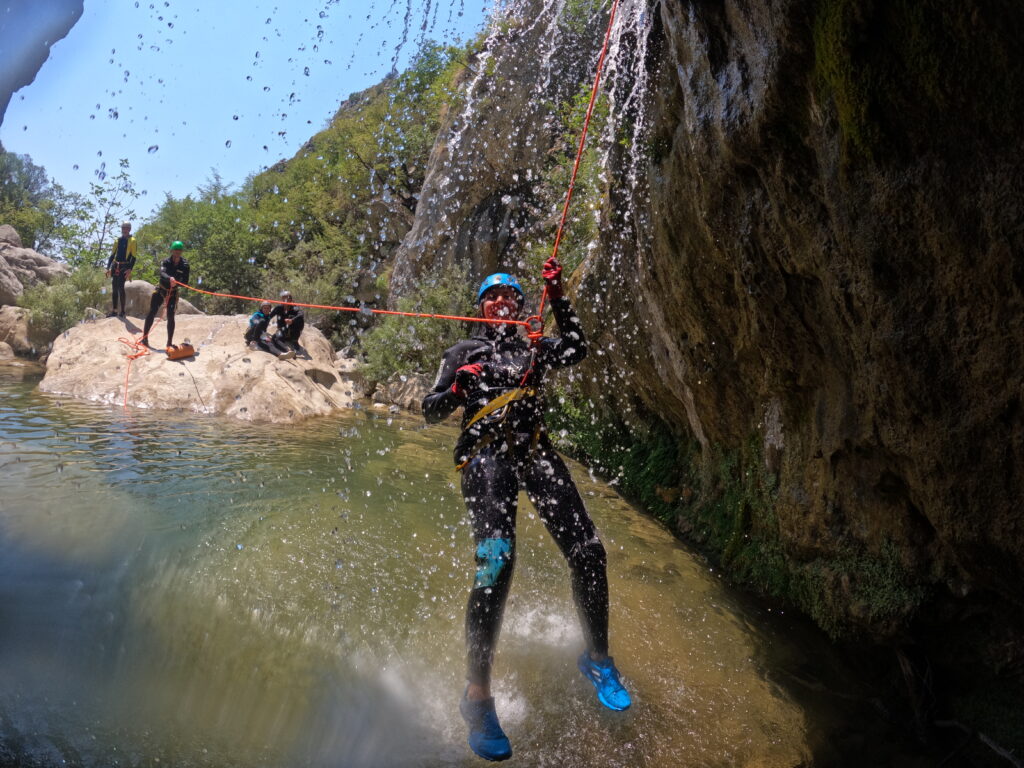
This is the change we’re most proud of: the rise of the Montenegro adventure holidays scene. Whitewater rafting on the Tara River Canyon (the second deepest canyon in the world), canyoning through Nevidio, and hiking in Durmitor and Prokletije have all become much more accessible.
The new Kotor cable car is a great way to escape the streets and get straight onto the mountain above Kotor. It’s a further sign of how seriously Montenegro is now investing in active, year-round tourism.
During the warmer months, kayaking, rafting, mountain biking, canyoning, paragliding, wild swimming, kite-surfing, and zip-lining are all on offer against spectacular scenery. Just ask our guide, Vera.
Nature protection is moving in the right direction
Plans for a mega-resort in the heart of Lake Skadar National Park, which we helped campaign against, were thankfully shelved, and the lake is now moving towards UNESCO Biosphere Reserve status (a move also backed in Albania, where a third of its waters lie). New nature parks have been created at the Zeta River, where we take families kayaking, and at the Ulcinj Saltpans, one of Europe’s top five sites for winter birds.
With Montenegro tipped to join the European Union before 2030, the country is visibly cleaning up too, even if rubbish is sadly still present in some rural spots. While there are ongoing concerns about a proposed hydropower plant on the Komarnica River – an extremely rich ecosystem connected to UNESCO-protected Durmitor – the direction of travel on nature protection is encouraging and Montenegro’s reputation as an eco-tourism destination continues to grow.
Montenegro’s ski scene has an overhaul
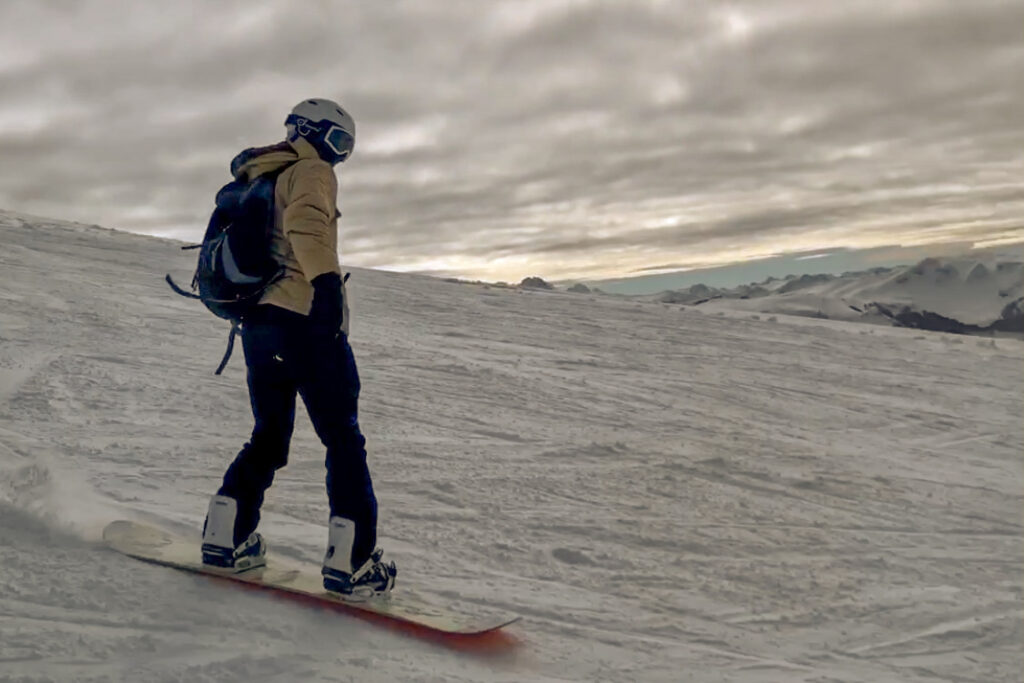
Up in the mountains, Kolašin’s slopes are more attractive than ever for winter sports, with the new 1600 Ski Resort providing a big extension to the existing 1450 Ski Centre. The proximity of Montenegro’s slice of the Adriatic makes this a winter destination where you can, quite literally, ski in the morning and sunbathe on the coast in the afternoon.
Come find out for yourself on our Winter Sports Multi Activity holiday which runs January-April every year and has even featured in The Daily Telegraph (read their article here).
What hasn’t changed in Montenegro?
Balkan hospitality
Montenegrins are famously warm, but not in a performative, service-with-a-smile way. A smile is something you earn here, and when you do, it tends to mean something. Don’t be surprised to be welcomed into someone’s home, plied with homemade brandy, and sent away with pomegranates.
Value for money
Coffee is around €1.20. Beer, €2.50. Dinner, around €15 a head if you know where to go. Compared to Croatia holidays or Italian coastal breaks, Montenegro still represents remarkable value — though prices have risen, and the coast now matches Dubrovnik in places.
Montenegro food culture
Portions can be enormous (one guest last week ordered fish and was served three trout!); the legacy of a strong feeder culture. Montenegro also remains steadfastly meat and dairy country, which presents a genuine challenge for vegetarians and vegans outside the cities. Read our vegan survival guide to Montenegro and the Balkans.
The wildlife and nature of Montenegro
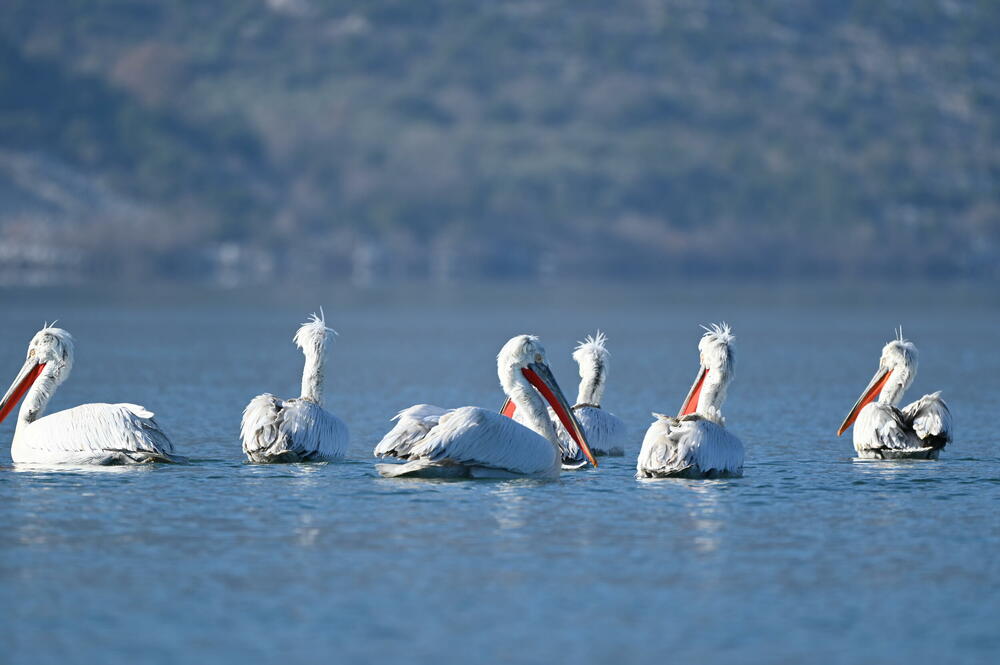
Few places in Europe concentrate as much natural richness as Montenegro. A vast array of habitats lie within a remarkably small territory – and so, Montenegro is home to brown bears, grey wolves, lynx, chamois, Dalmatian pelicans, golden eagles, flamingos, bottlenose dolphins, and much more. The best wildlife areas are its national parks and remote mountain regions, where rare birds like eagles still thrive.
Durmitor National Park – bears, wolves, chamois, eagles in the mountains
Biogradska Gora National Park – one of Europe’s last old-growth forests; great for bears and woodland birds
Skadar Lake National Park – outstanding birdwatching (herons, pelicans, cormorants); otters too
Prokletije National Park – lynx, chamois, golden eagle in remote highland terrain
Wildlife and birdwatching are big here, particularly around Skadar which holds one of the largest Dalmatian Pelican colonies in the world, with around 300 birds resident in its wetlands. In the Ulcinj Saltpans nature park you can spot flamingos— yes, flamingos! Get involved on one of our birdwatching holidays.
Creaky roads and infrastructure
Aside from some short stretches of new motorway and dual carriageway near the capital, driving in Montenegro still requires nerves of steel. Most of the road infrastructure is as creaky as it ever was, and mountainous too. Anyone planning a road trip should factor in time accordingly – another reason why the slow travel we prefer on our trips is a bonus, and they come with a driver too.
20 years on: a different Montenegro, but still just easy
Yes, Montenegro has changed quite considerably in the last two decades. Some places are busier, shinier, and more developed than they once were. But beyond the cruise ship crowds and summer beach traffic, this is a country that still rewards travellers with old charms, especially if you’re willing to slow down, head away from the beaten tracks, and stay culturally curious. Samo po lako, as the Montenegrins say — take it easy.
That’s the Montenegro we’ve spent nearly twenty years exploring — and the one we continue to build our trips around.
Frequently Asked Questions about Montenegro
Is Montenegro worth visiting?
Absolutely — but how you visit matters. Montenegro is worth visiting for its beautiful coast and Kotor is one of Europe’s most dramatic medieval towns, but peak summer brings real crowds and cruise ship traffic. Worth visiting are the national parks and inland mountains, where Montenegro rewards you with landscapes, wildlife, and hospitality that most visitors never find.
When is the best time to visit Montenegro?
The best time to visit Kotor is in May, June, or September to October are the sweet spots — warm enough to swim, cool enough to hike, and far less crowded than July and August. Winter is increasingly worth considering too, particularly for skiing at Kolašin or exploring the coast without a soul in sight.
Is Montenegro safe?
Montenegro ranks among Europe’s safest destinations, landing just below the UK on the Global Peace Index. Violent crime is rare and the few serious incidents that do occur almost never involve tourists. Petty theft in peak season at busy spots like Kotor and Budva is the main thing to be aware of, but standard tourist city commonsense applies.
Is Montenegro just a cheaper Croatia?
It used to be framed that way, but it’s misleading to compare Montenegro with Croatia. Montenegro has a completely different character: more mountainous, more culturally layered (Orthodox, Ottoman, Venetian), and far wilder inland.
Where to go in Montenegro beyond the coast?
The country’s real identity of ancient forests, canyon rivers, and alpine lakes lies inland. The mountains are comparable to the Alps, with far fewer people on them.
Do you need a visa to visit Montenegro?
Montenegro is not yet part of the EU or Schengen Zone, a goal it has been working toward since 2012, with membership anticipated around 2028. However, most Western European and US passport holders can enter visa-free for up to 90 days. Always check the latest entry requirements for your nationality before travel.
What currency does Montenegro use?
The official currency of Montenegro is the Euro, and credit cards are widely accepted throughout the country. Despite not being an EU member, Montenegro adopted the Euro unilaterally, which makes it simple for European visitors. Cash is still useful in rural areas, markets, and smaller restaurants.
Is Montenegro good for hiking and adventure holidays?
Montenegro is one of the best destinations in Europe for hiking and adventure holidays, and still relatively under the radar. Five national parks, the second deepest canyon in the world (Tara River), Via ferrata routes, white-water rafting, kayaking on Lake Skadar, and cross-border trails into Albania — the infrastructure has developed dramatically over the past decade and the landscapes are extraordinary.
Feeling inspired? Subscribe to our free monthly newsletter for more travel-inspired insights about Montenegro and the Balkans, first dibs on our offers and tours, and our special subscriber discount.
Comments